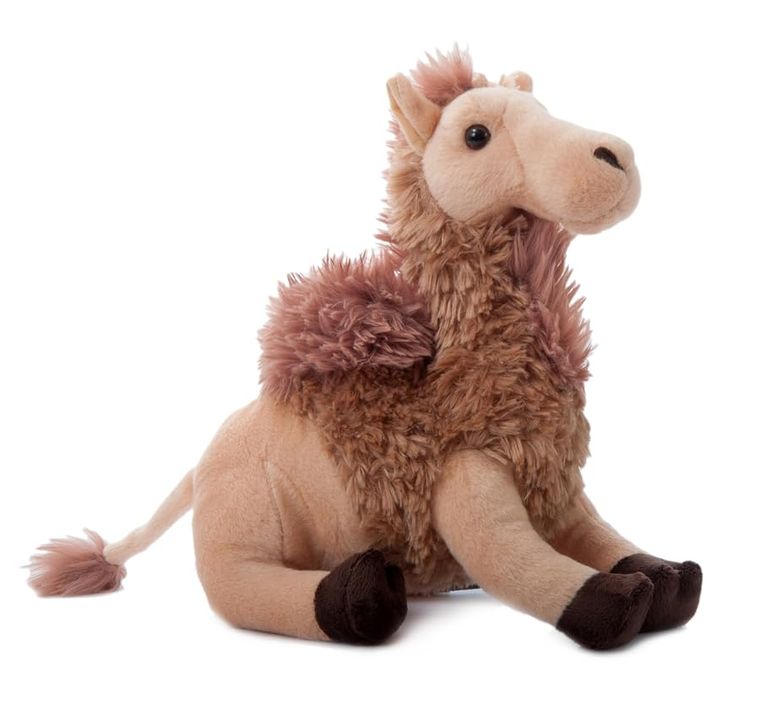
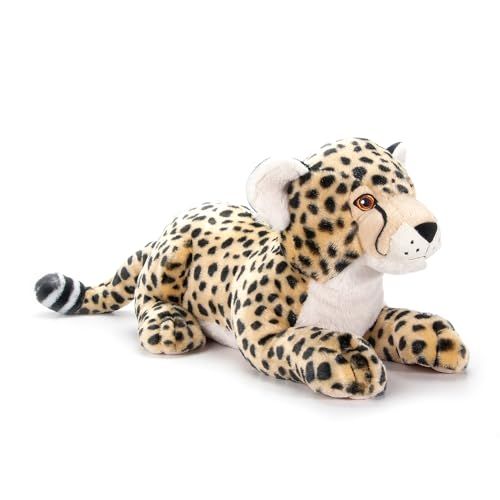
About the Africa shelf
Sizes run from about 6 inches — small enough to ride in a coat pocket — up to roughly 54 inches, which is the point at which a plush toy stops being carried and starts being leaned on.
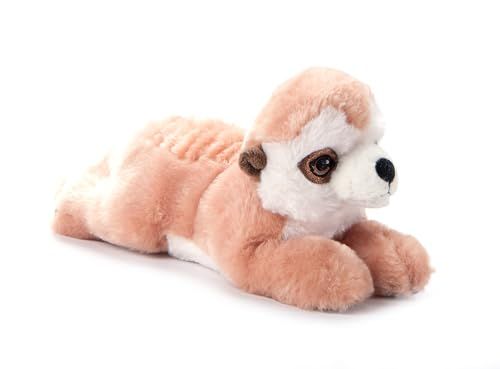
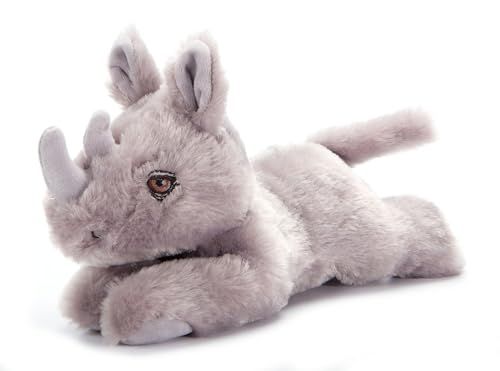
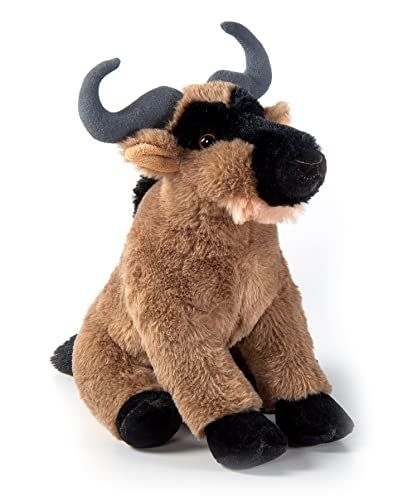
Most of this shelf comes from Wild Onez (55), Earth Keeperz (18), Puffimalz (8), so the same animal often appears here in more than one body shape. Pick the feel you want in the hand first and the choice gets much shorter.
Every animal listed here is designed in our Glen Burnie studio. The price beside each one is what we last read on our partner store's listing; the store sets it and can change it, so treat the figure as a guide rather than a promise.
Choosing plush toys for kids on this shelf
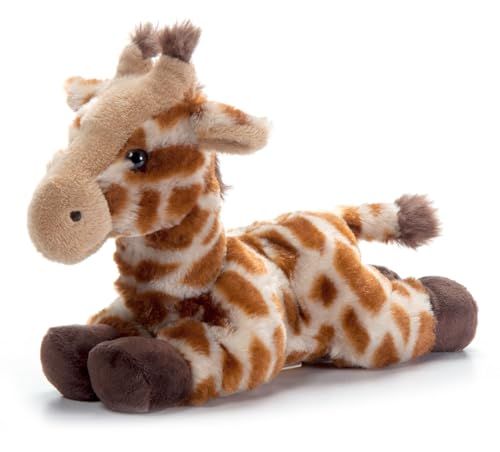
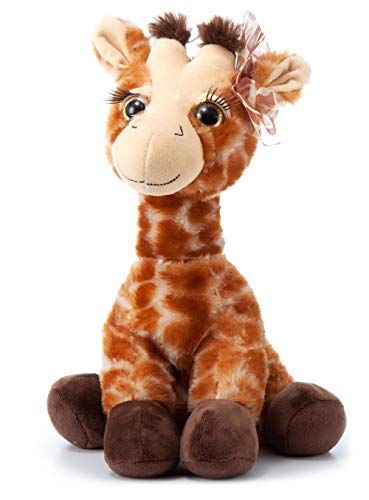
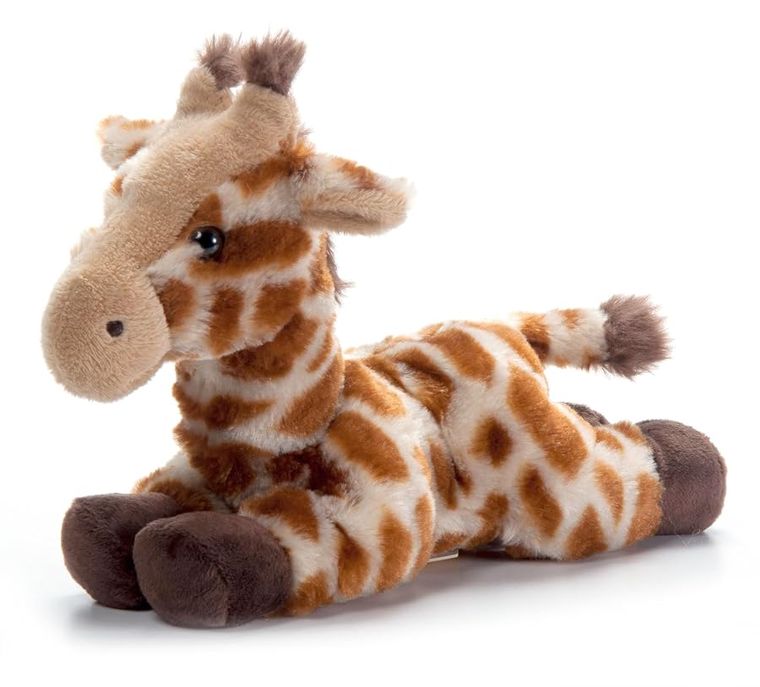
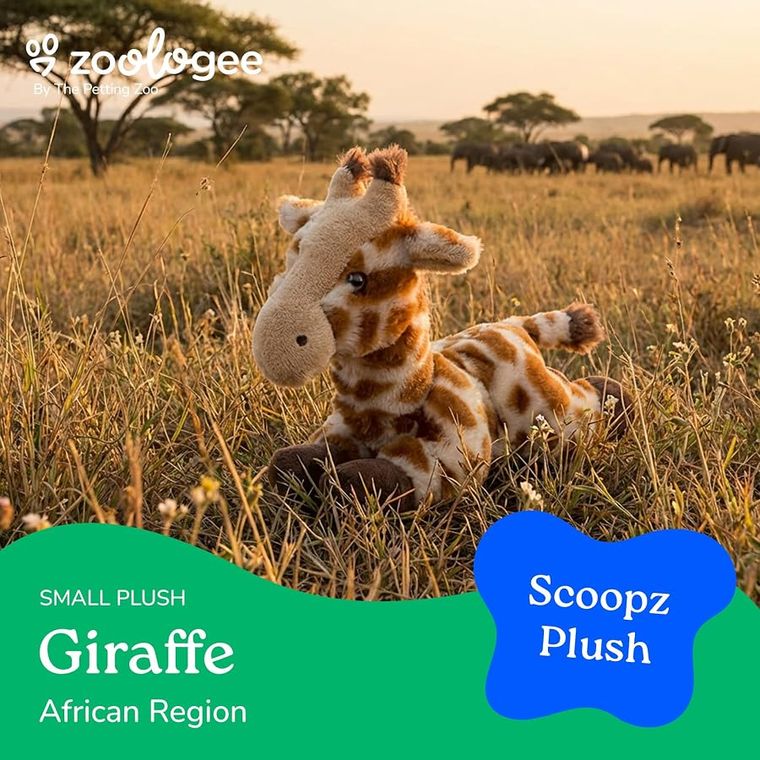
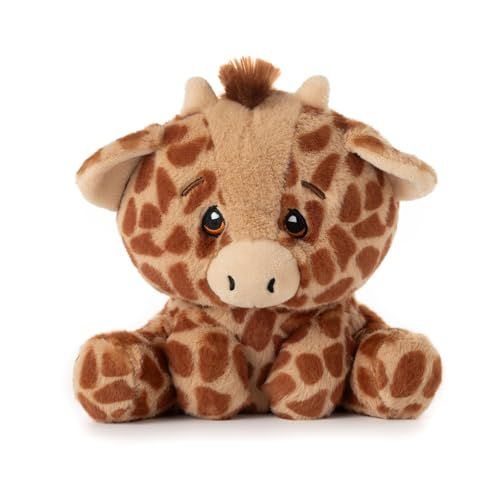
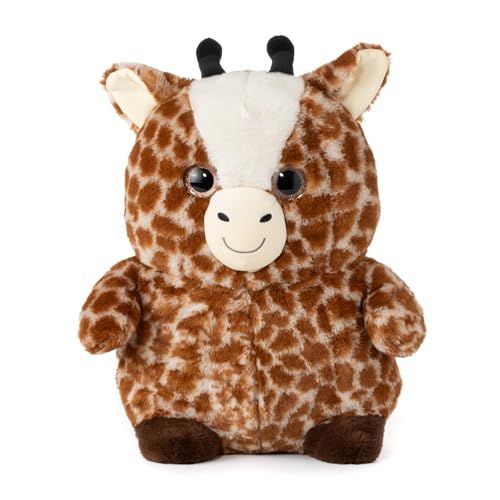
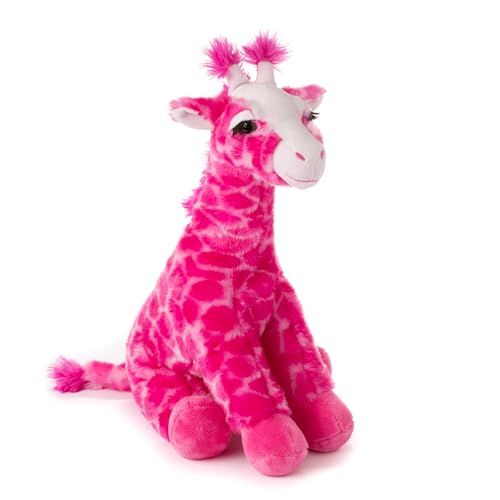
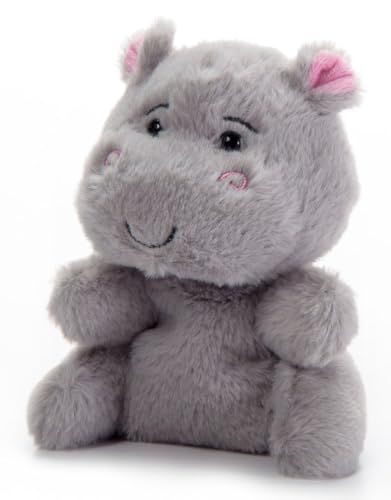
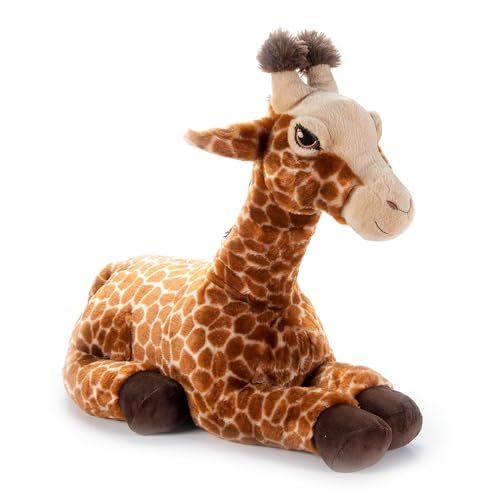
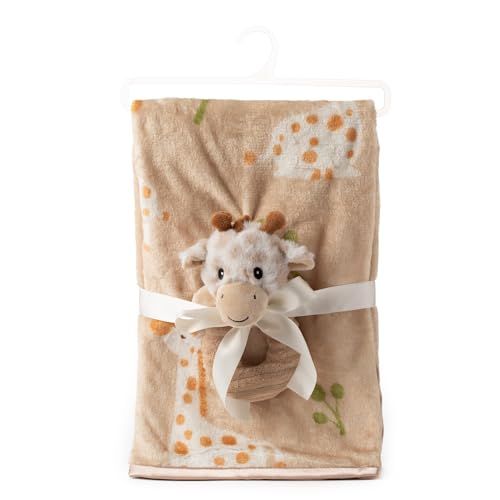
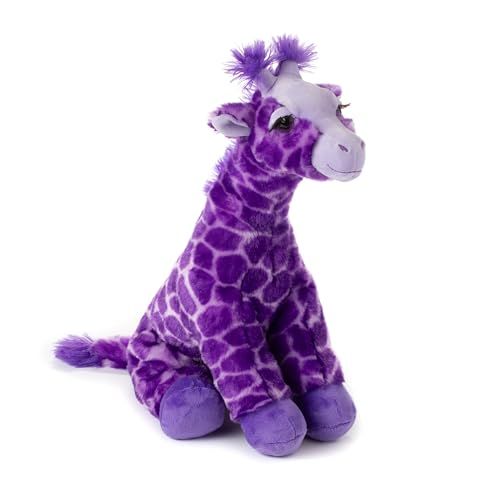
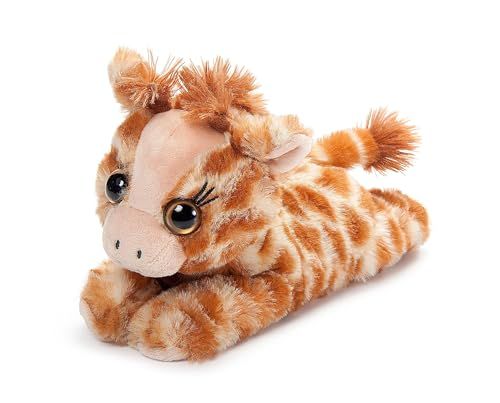
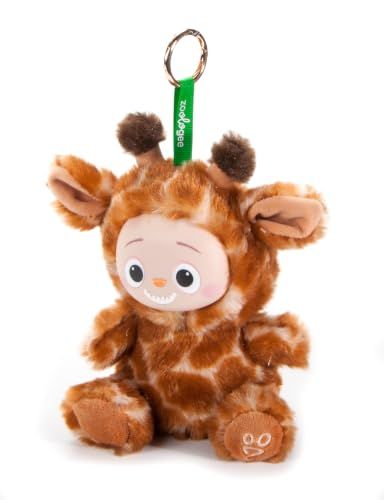
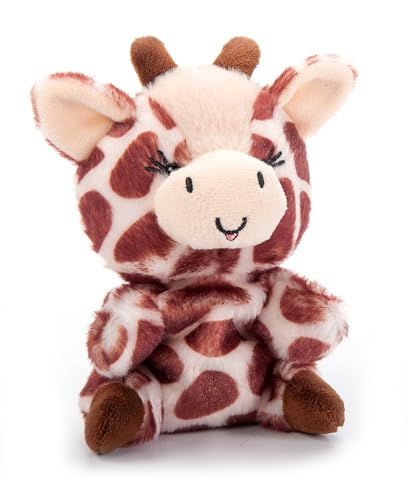
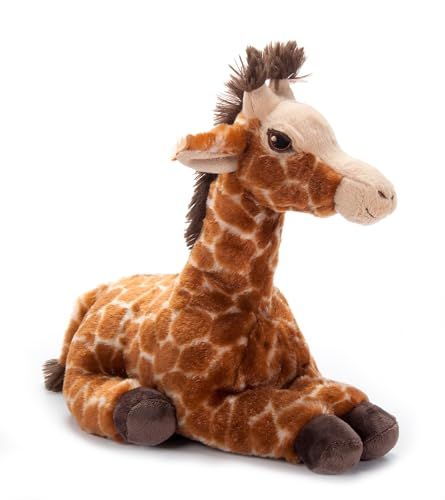
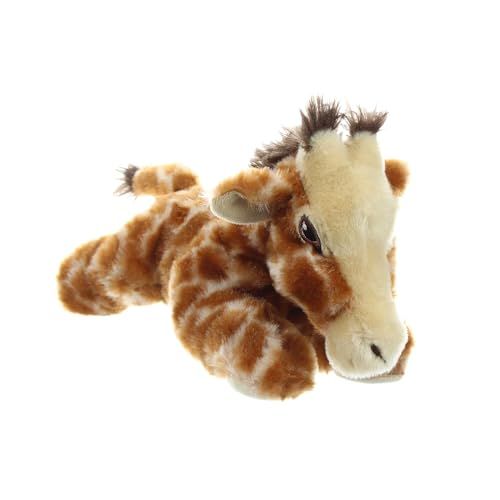
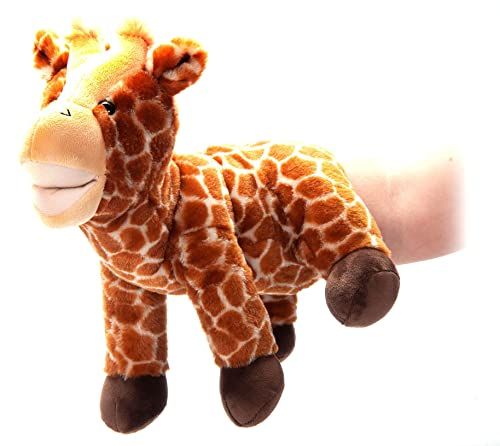
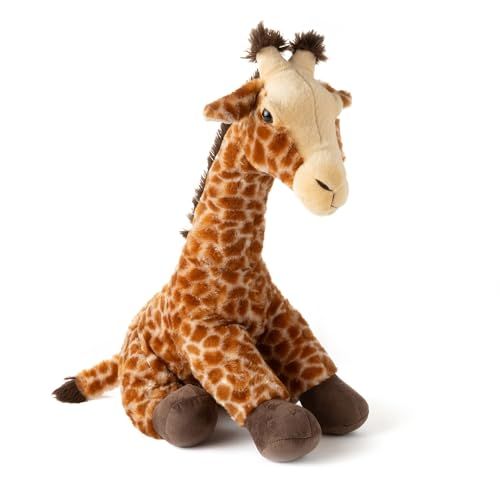
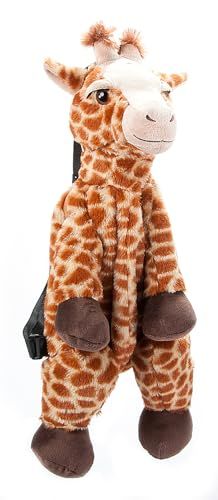
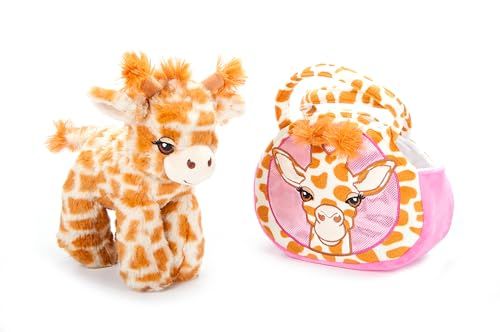
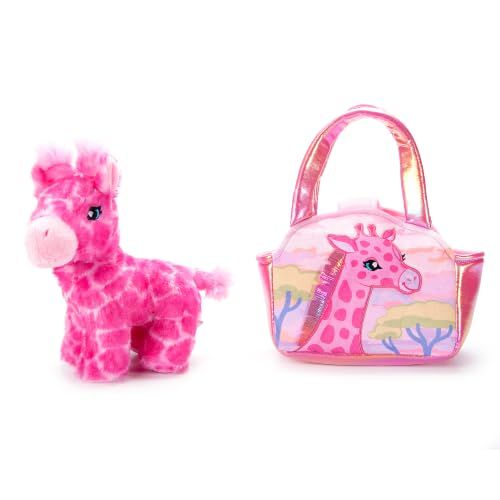
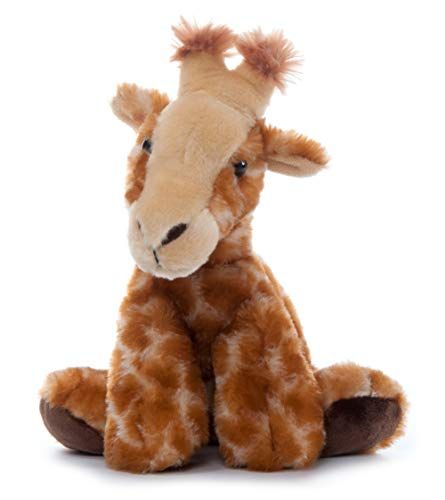
Children do not shop this shelf the way parents do. A small child reaches for the one whose face looks back, and that is the plush toy that ends up cherished — often the Giraffe Stuffed Animal Plushie. For a baby we would stay with the lightest soft animals and the embroidered faces: nothing on a baby plush should be able to work loose in the dark, and the weight should let a little one drag the toy around without hauling it by the neck.
Older kids want accuracy. They will name the animal, correct you on the name, and want a second one to keep it company, which is why we design these as families rather than as single toys. Somewhere between the two ages sits the bedtime animal — the companion that gets slept on every night, loses an ear to love and still has to survive the wash.
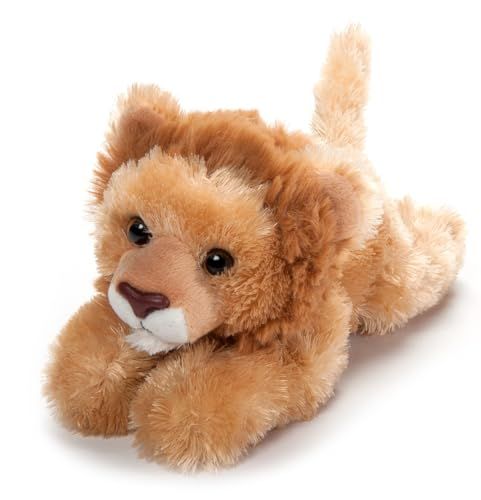
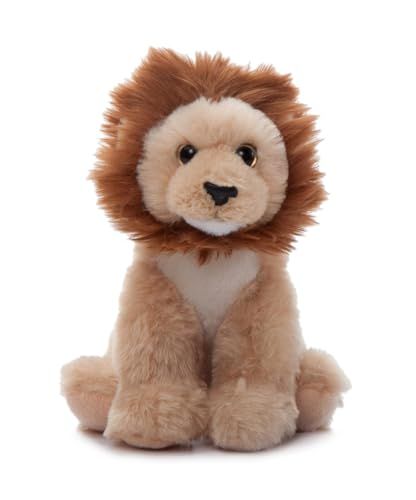
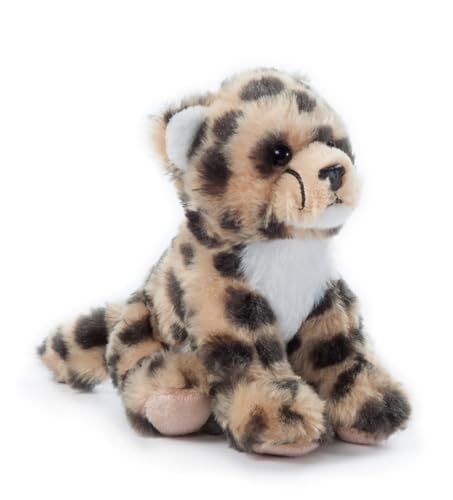
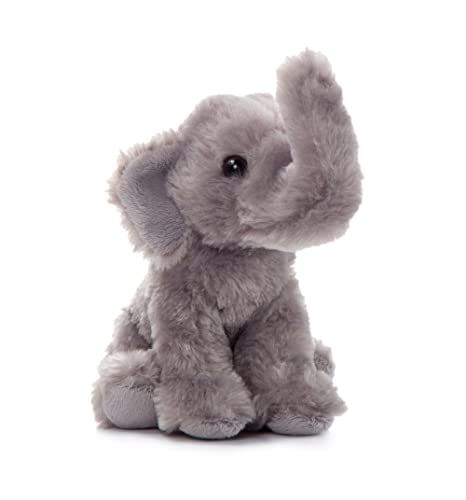
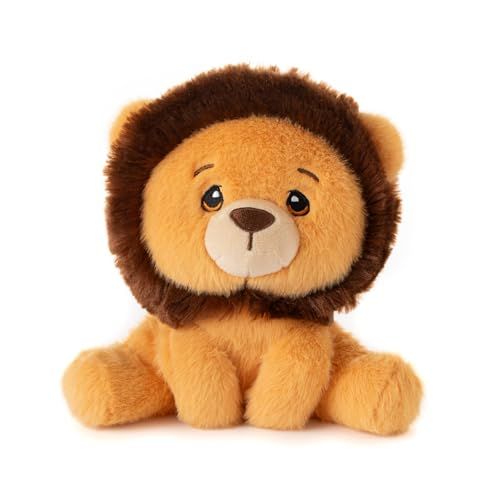
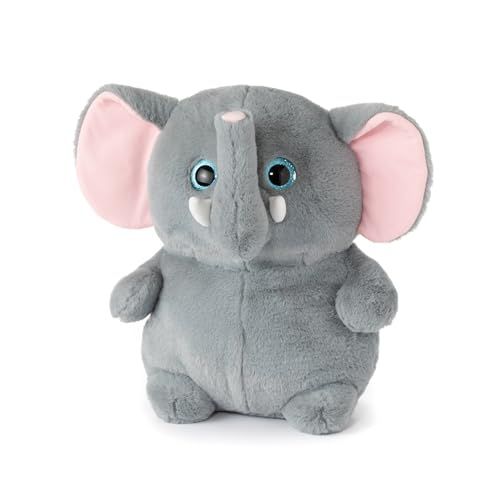
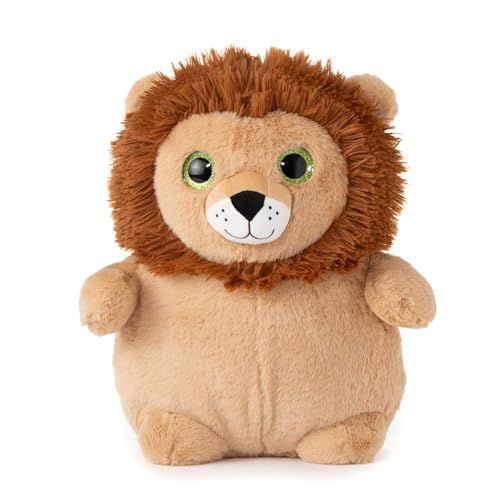
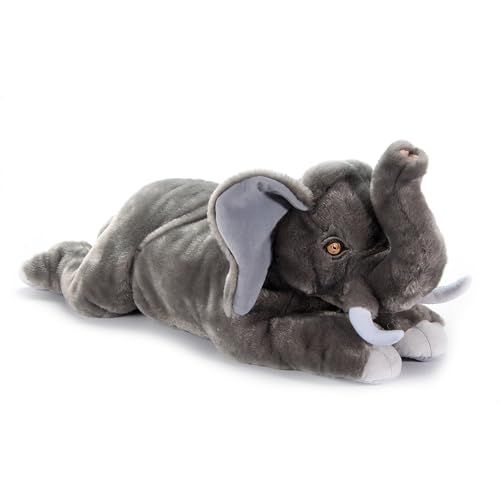
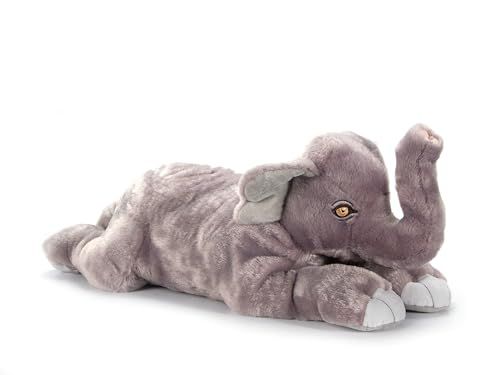
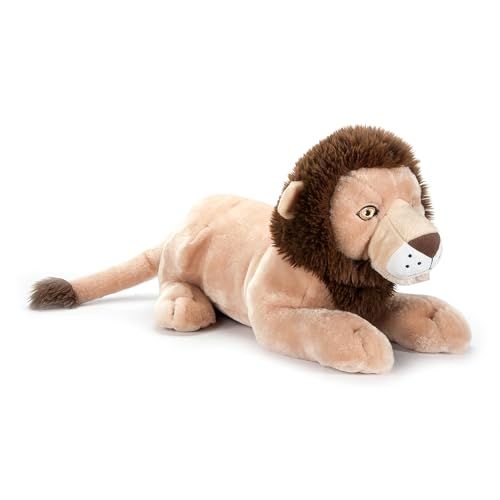
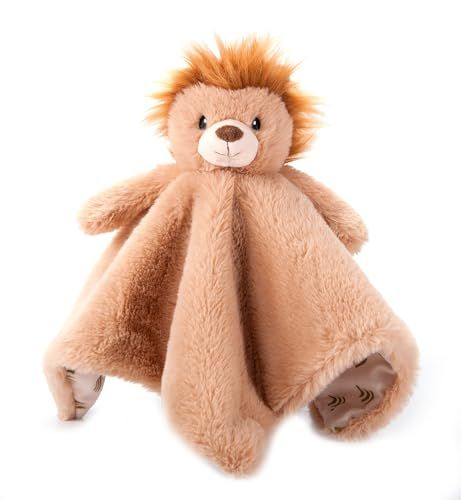
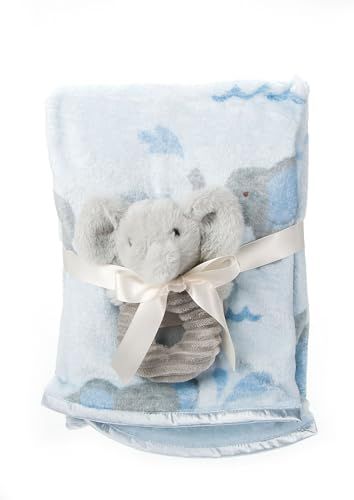
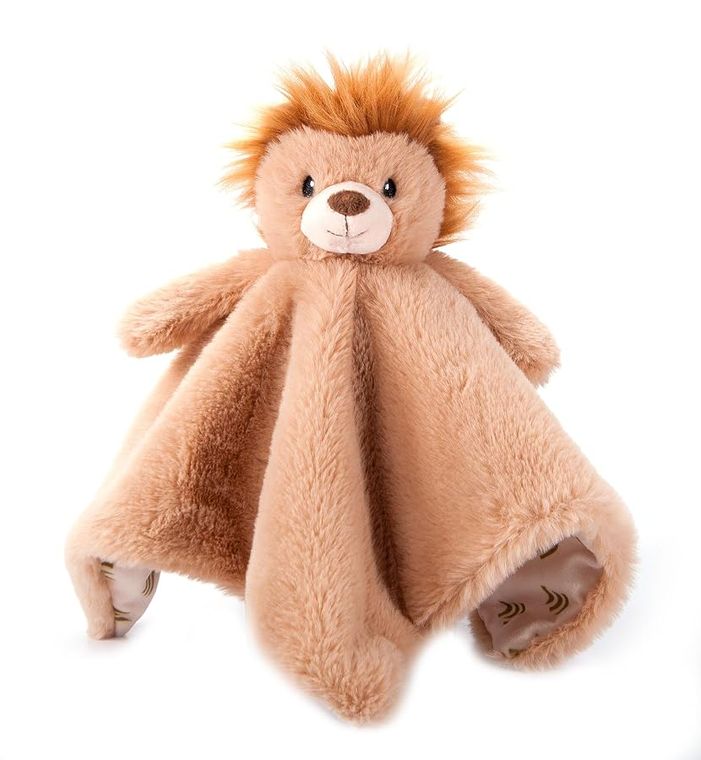
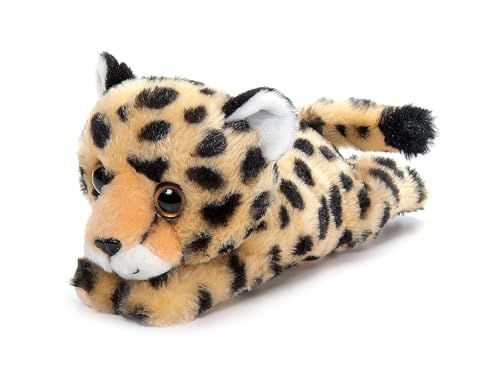
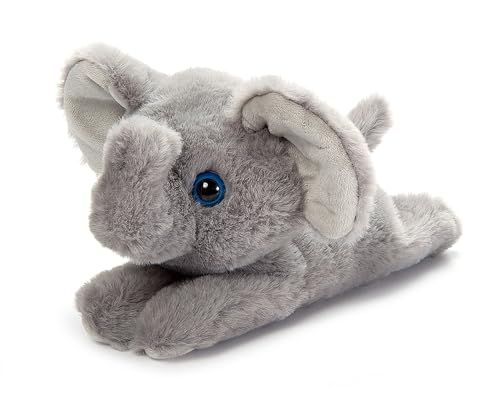
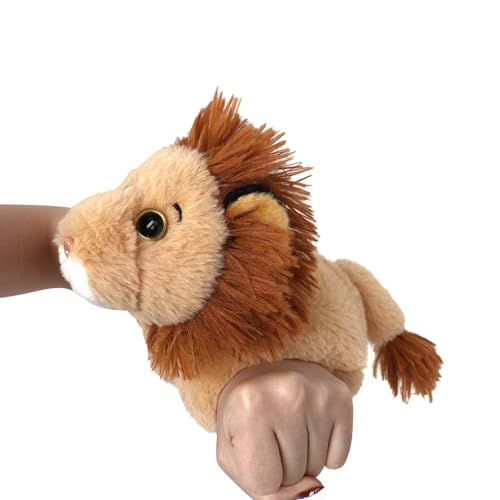
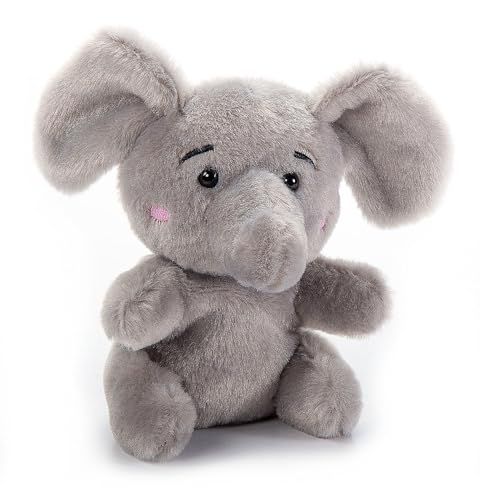
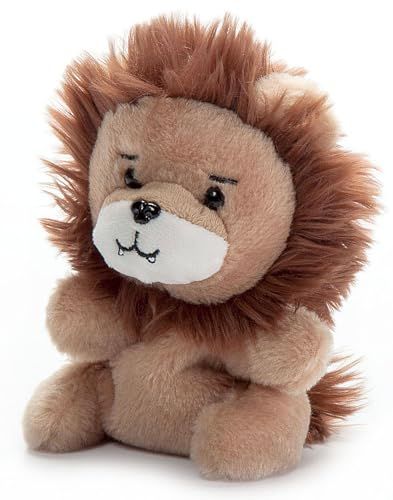
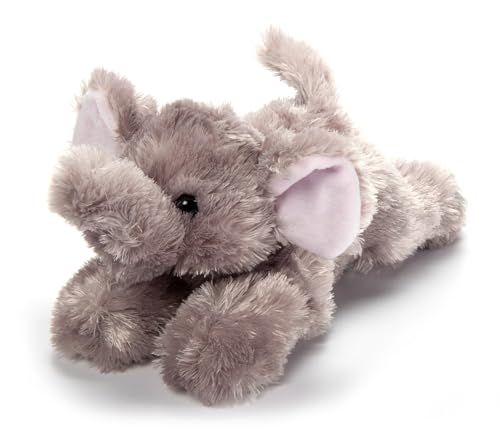
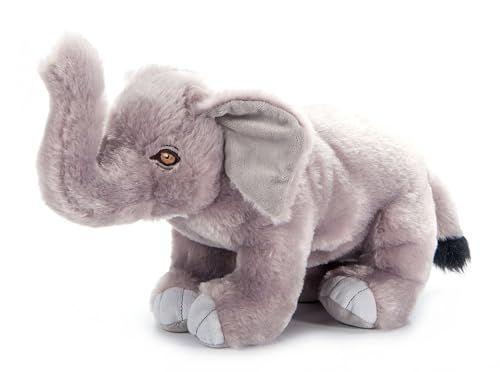
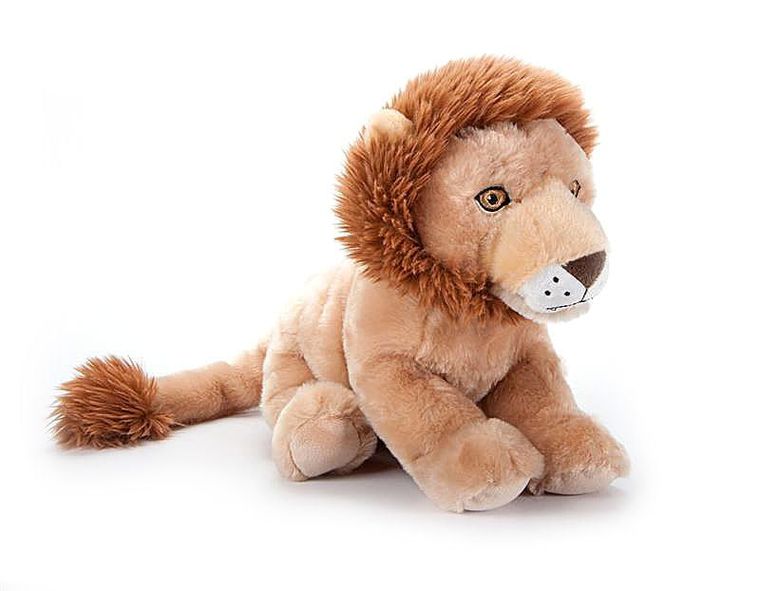
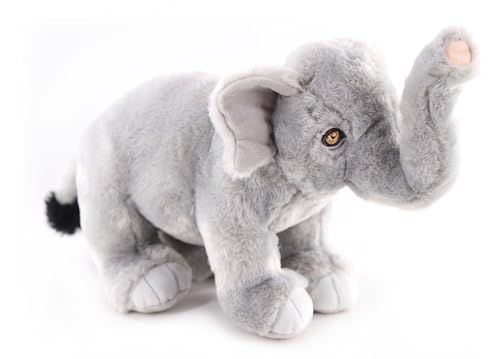
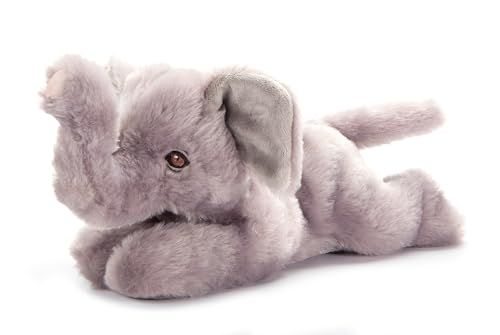
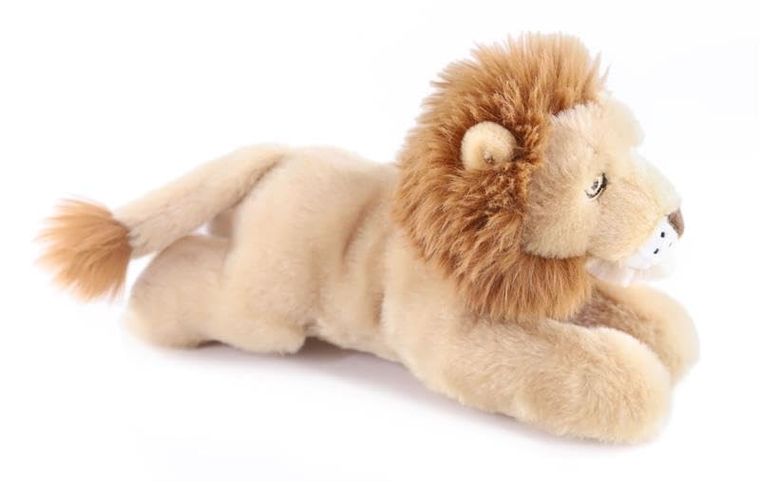
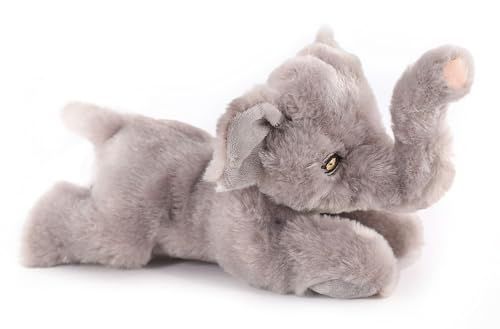
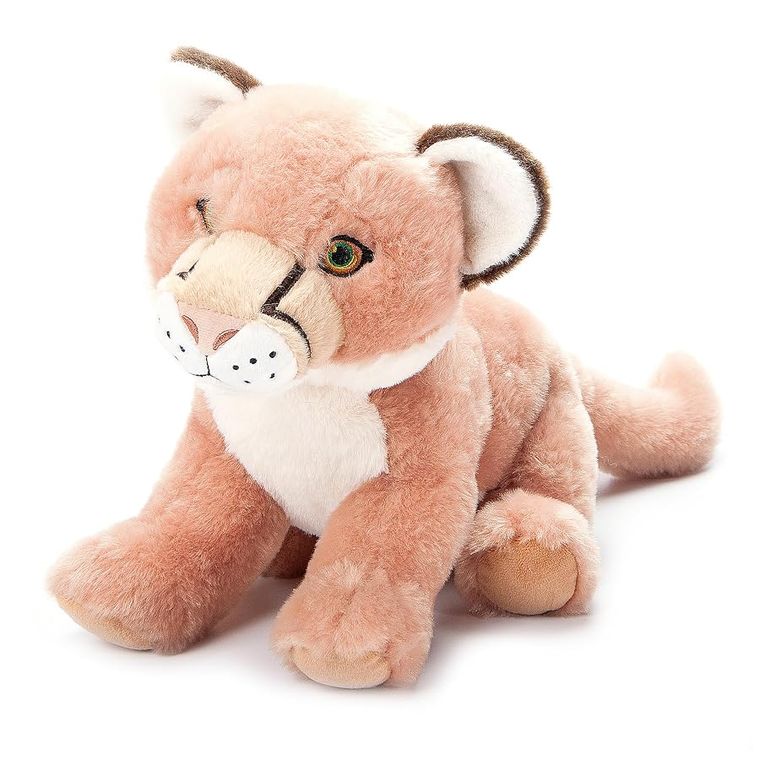
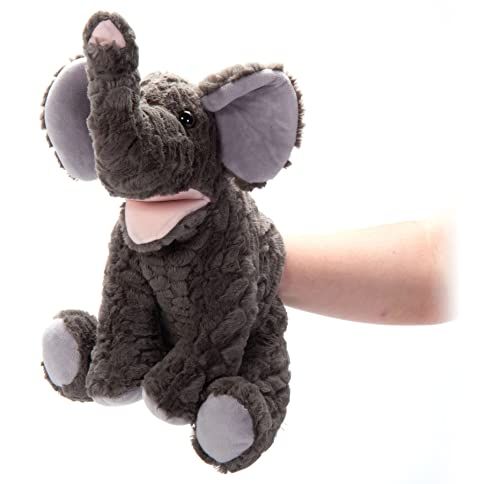
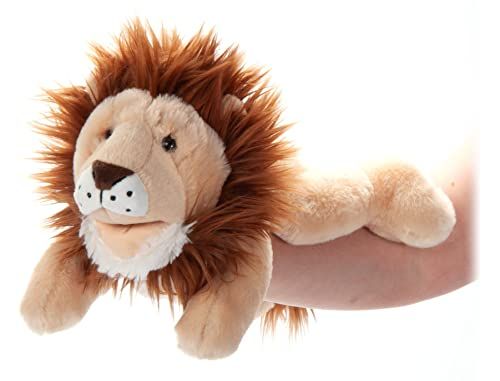
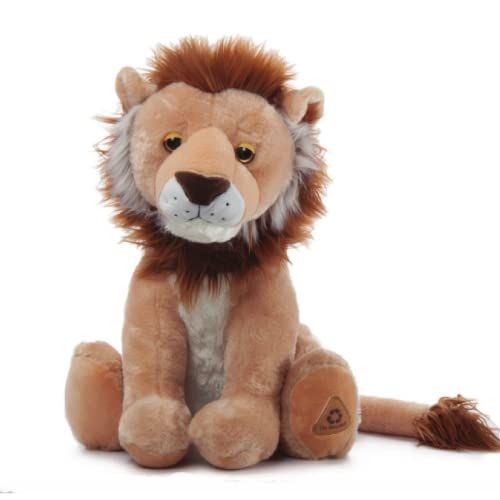
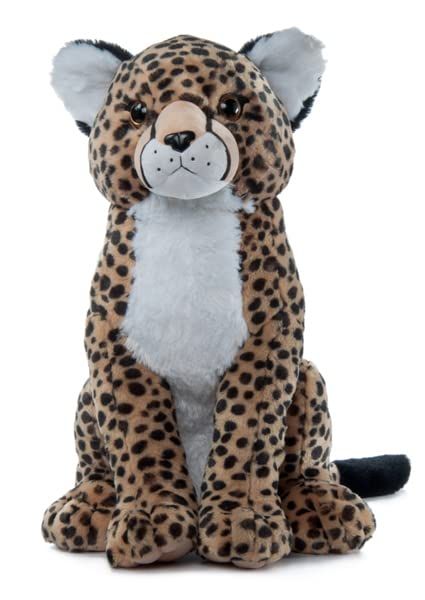
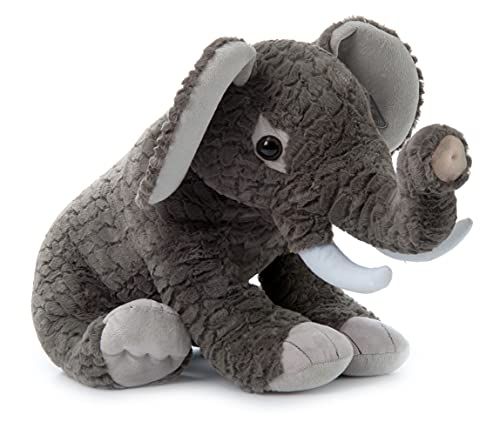
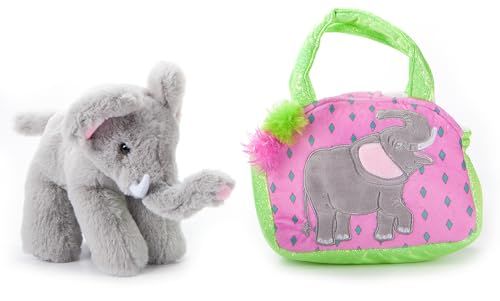
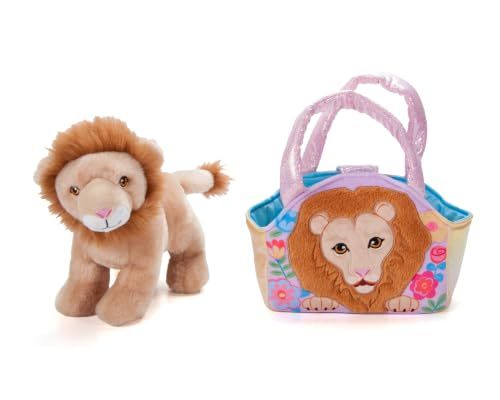
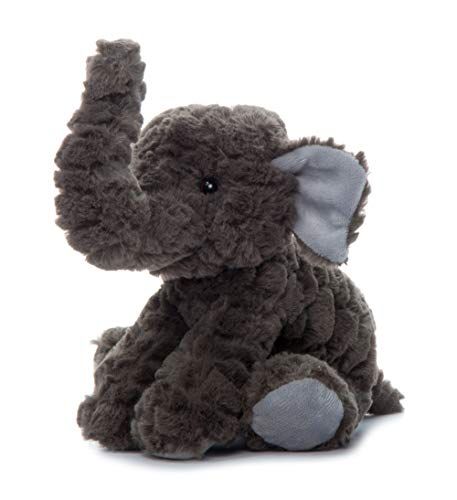
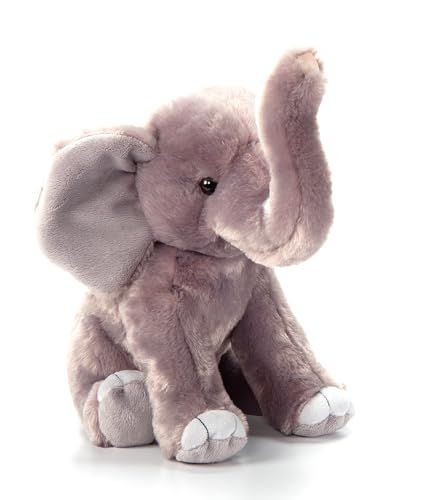
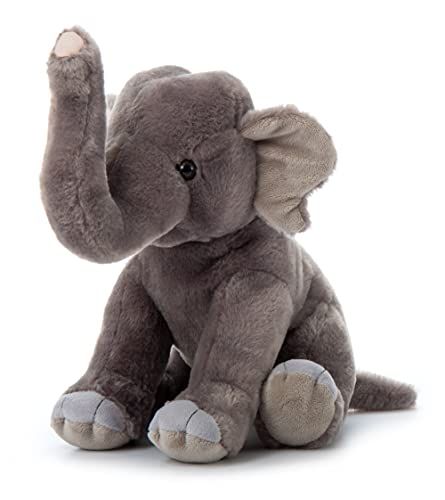
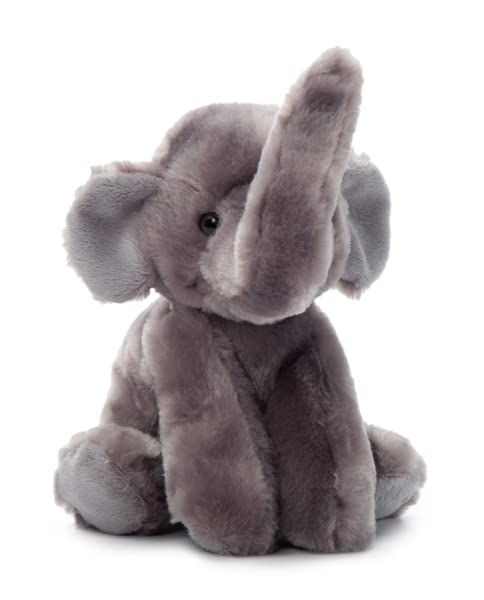
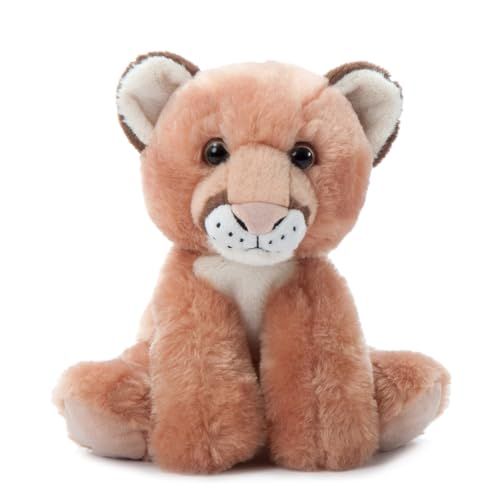
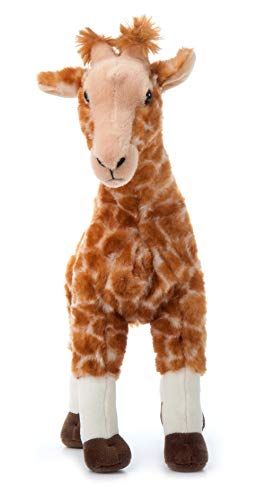
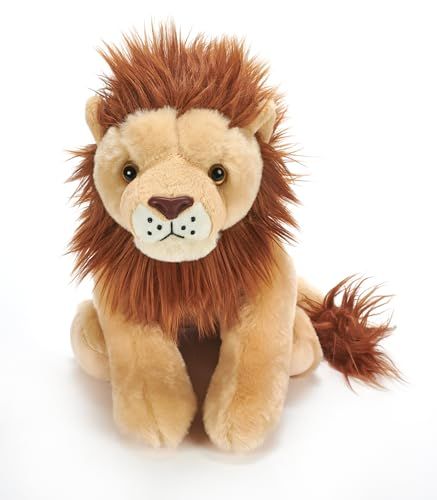
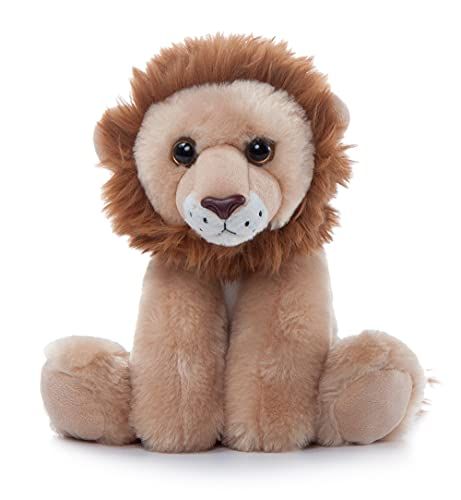
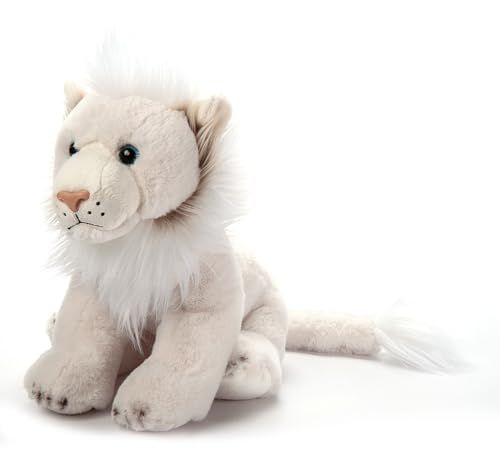
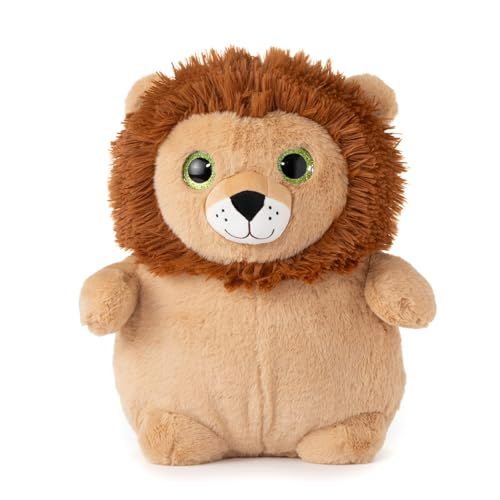
The small ones here (Giraffe Stuffed Animal Plushie, Lion Stuffed Animal Plushie) are the pocket buddies that travel to nursery and back. The big ones (Elephant Stuffed Animal Plush, Giraffe Stuffed Animal Plush) are closer to a pillow than a toy, and that is what a child leans on while reading.
What these stuffed animals are made of
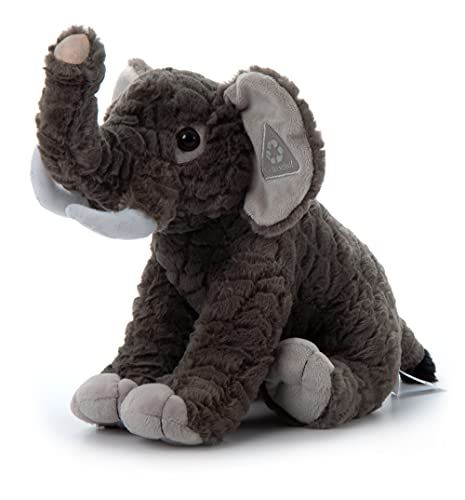
All the plush toys on this shelf use the same short-pile fabric and the same filling: fibre spun from post-consumer water bottles. Surface wash with a damp cloth, brush the pile while it dries, and the materials hold their look for years — which is why so many of these stuffed animals get handed down rather than thrown out.
- Outer fabric: short-pile plush, chosen to stand back up after a season
- Filling: fibre spun from recycled water bottles
- Care: surface wash with a damp cloth, brush the pile while it dries
- Designed in Glen Burnie, Maryland
Gifts, friends and cherished companions
Giving a plush animal works because the child attaches the day to the toy. The aquarium trip, the ranger talk, the first Easter — the animal becomes the bookmark. Our plush has sat in zoo and museum shops since 1984 for exactly that reason.
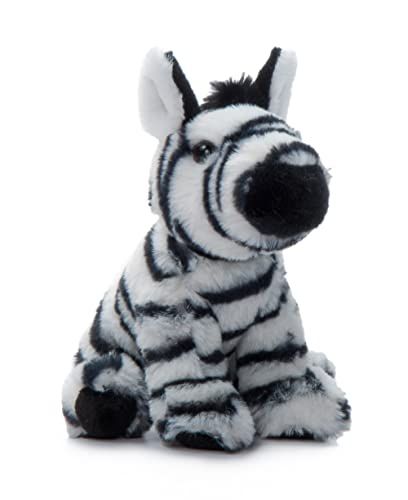
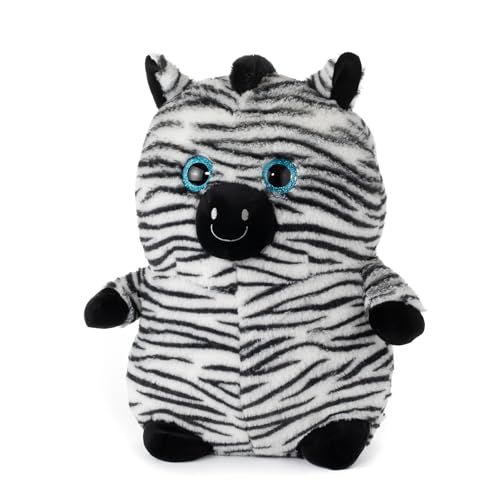
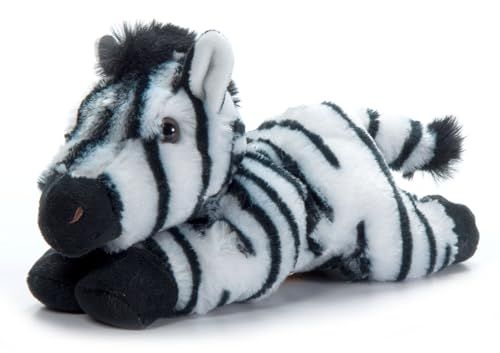
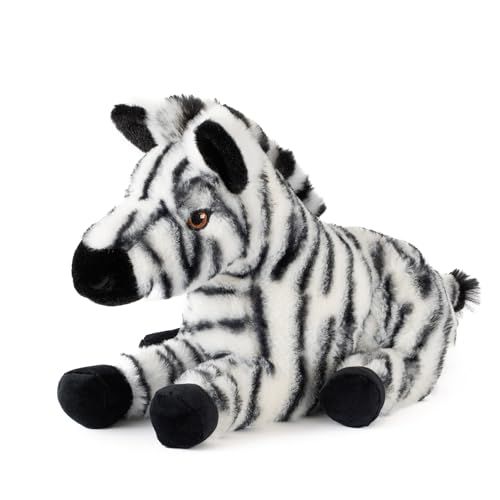
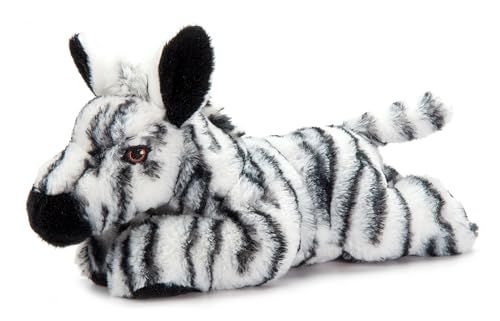
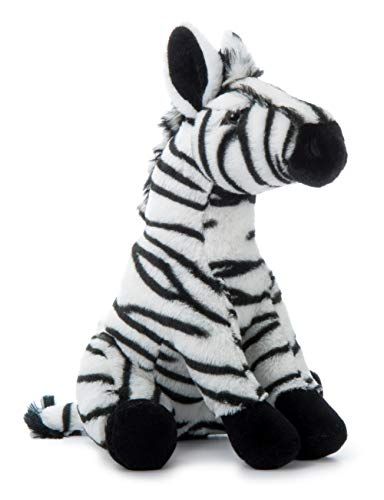
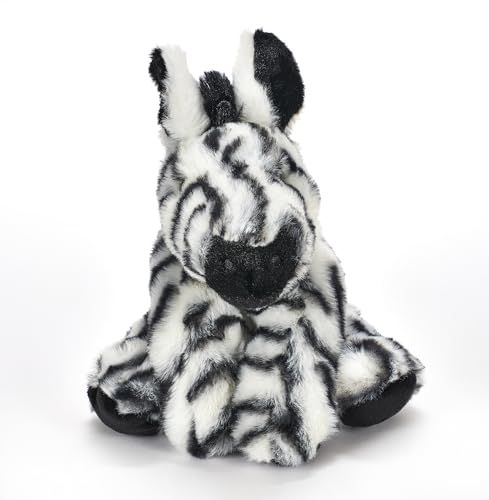
If you are buying for a child you do not know well, the popular picks on this shelf are a safe place to start: Giraffe Stuffed Animal Plushie, Lion Stuffed Animal Plushie, Zebra Stuffed Animal Plushie. Adorable counts for a lot at the moment of unwrapping, and soft, washable and the right size to cuddle decides whether the toy is still in the house a year later.
What you cannot see is the safety work. Babies stuffed toys get embroidered faces and nothing that can work loose; every seam is doubled where a child pulls hardest; the fill is recycled fibre throughout. We understand that a cot toy has to be right first time, and quality is what turns an adorable plush animal into one of the cherished companions a family keeps for life.
After that it is all play. Children ignore category entirely and pick the animal that suits the adventures already running in their imagination — a plush stuffed animal with charm beats the world's cleverest toy. Teddy bears, lambs, a bunny, a dinosaur for the one who corrects your pronunciation: the magic is that they become friends, and the fun is watching which gets chosen.
Adults come back for the animal they had in childhood, and that is where the heart of this collection sits. Take the softest one, welcome it along with everything else that arrives with a new baby, and let the child decide which becomes beloved.
Still deciding? Reading the habitat shelves explains how we group the animals, and Habitats lists the neighbouring shelves.