

Choosing stuffed animals and plush toys for kids
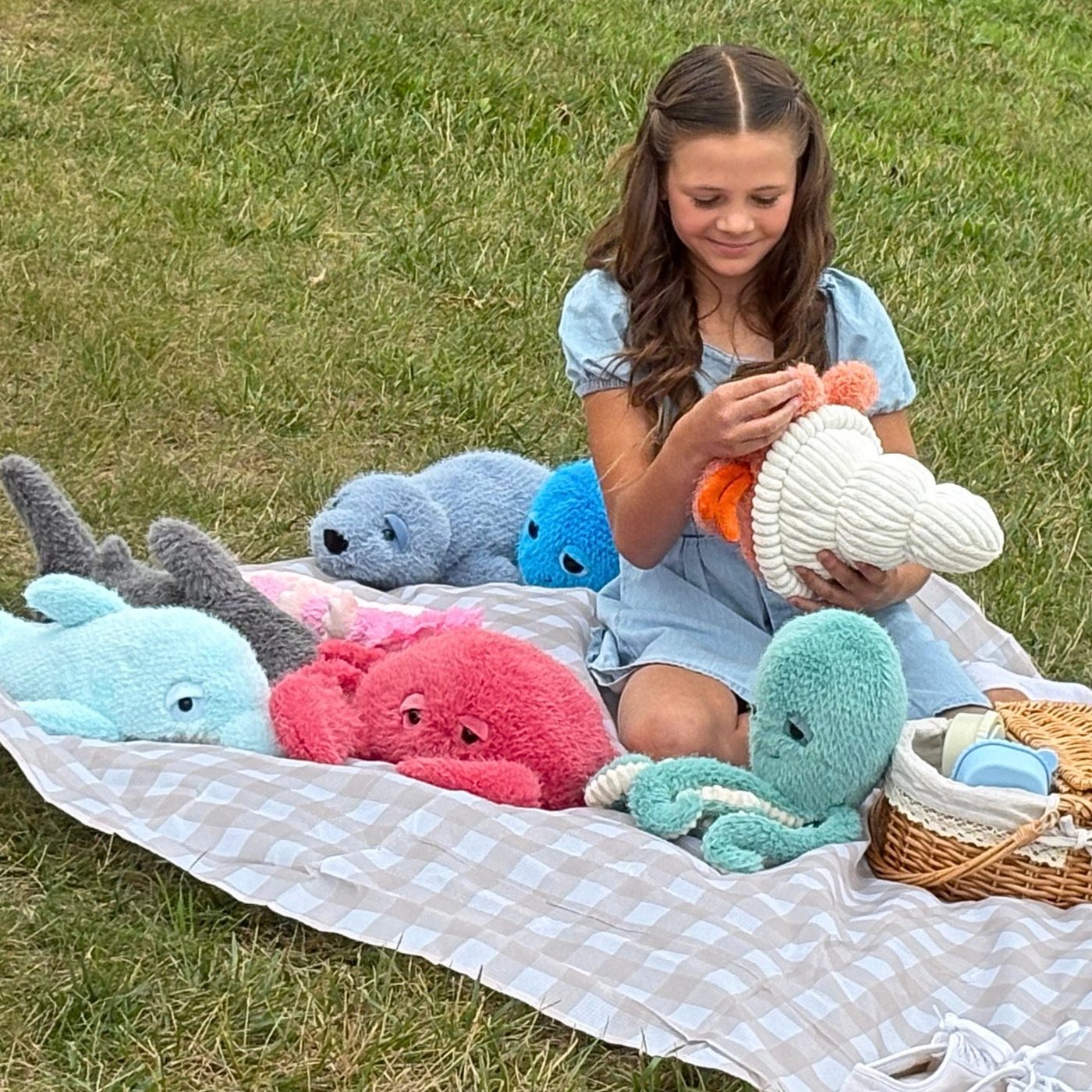
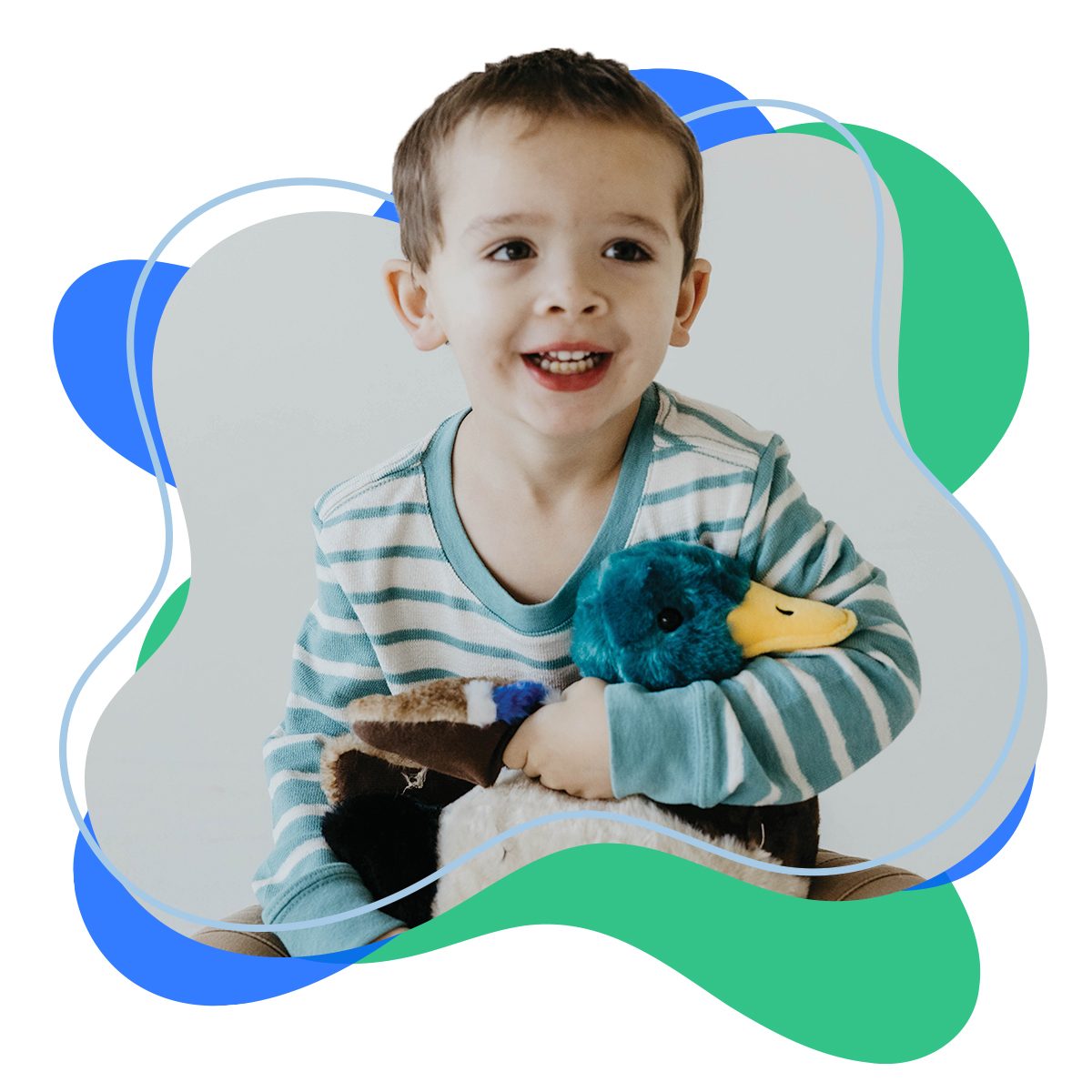
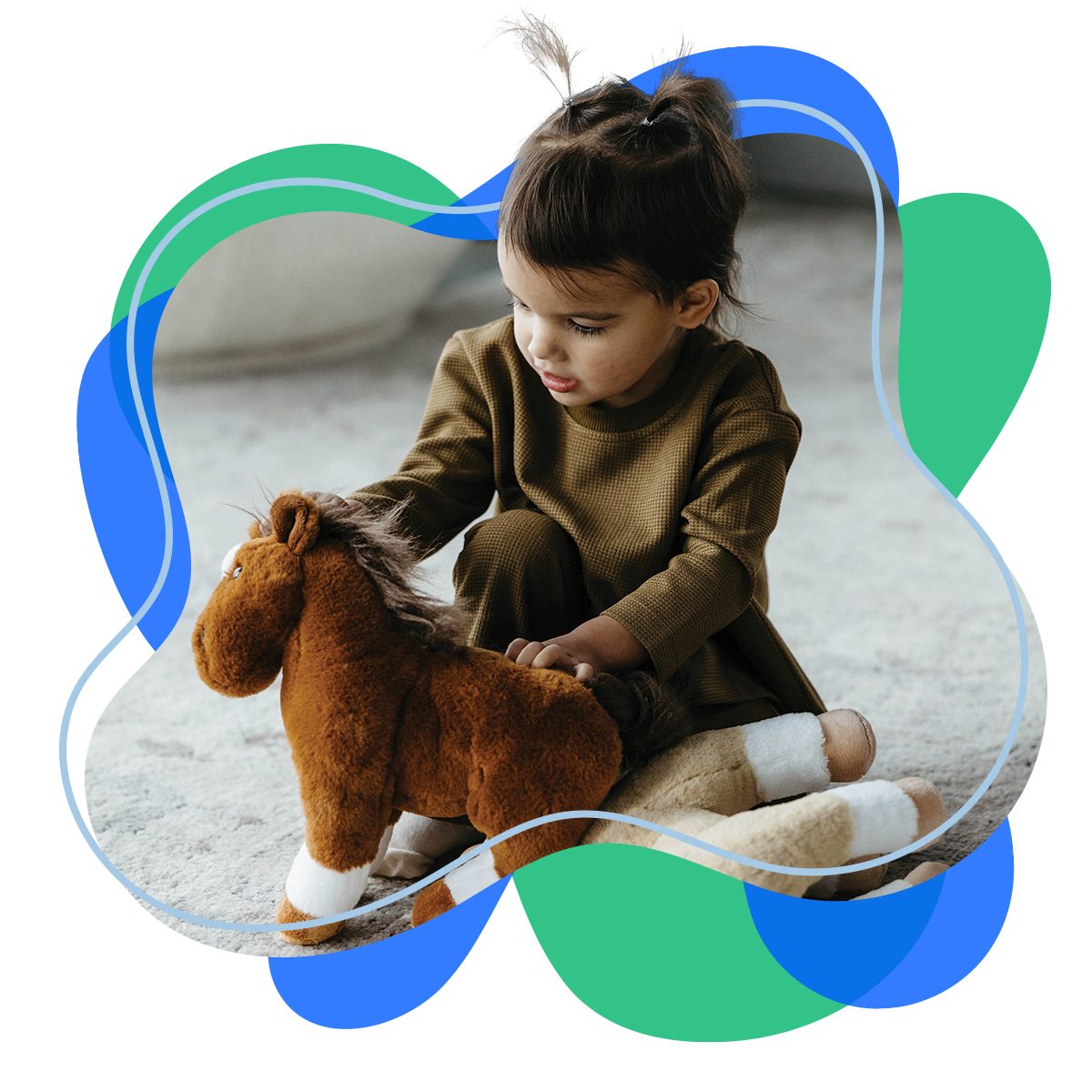
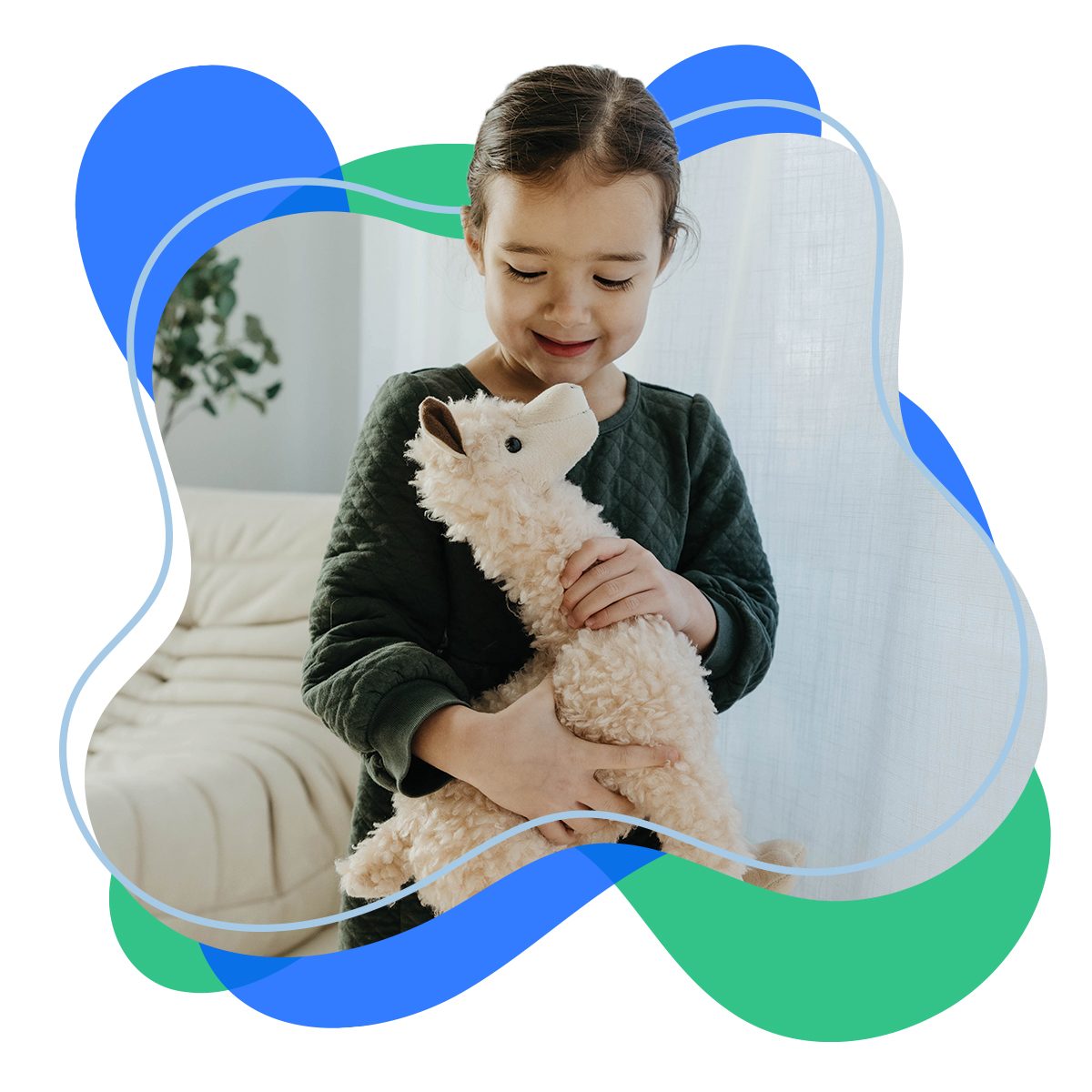
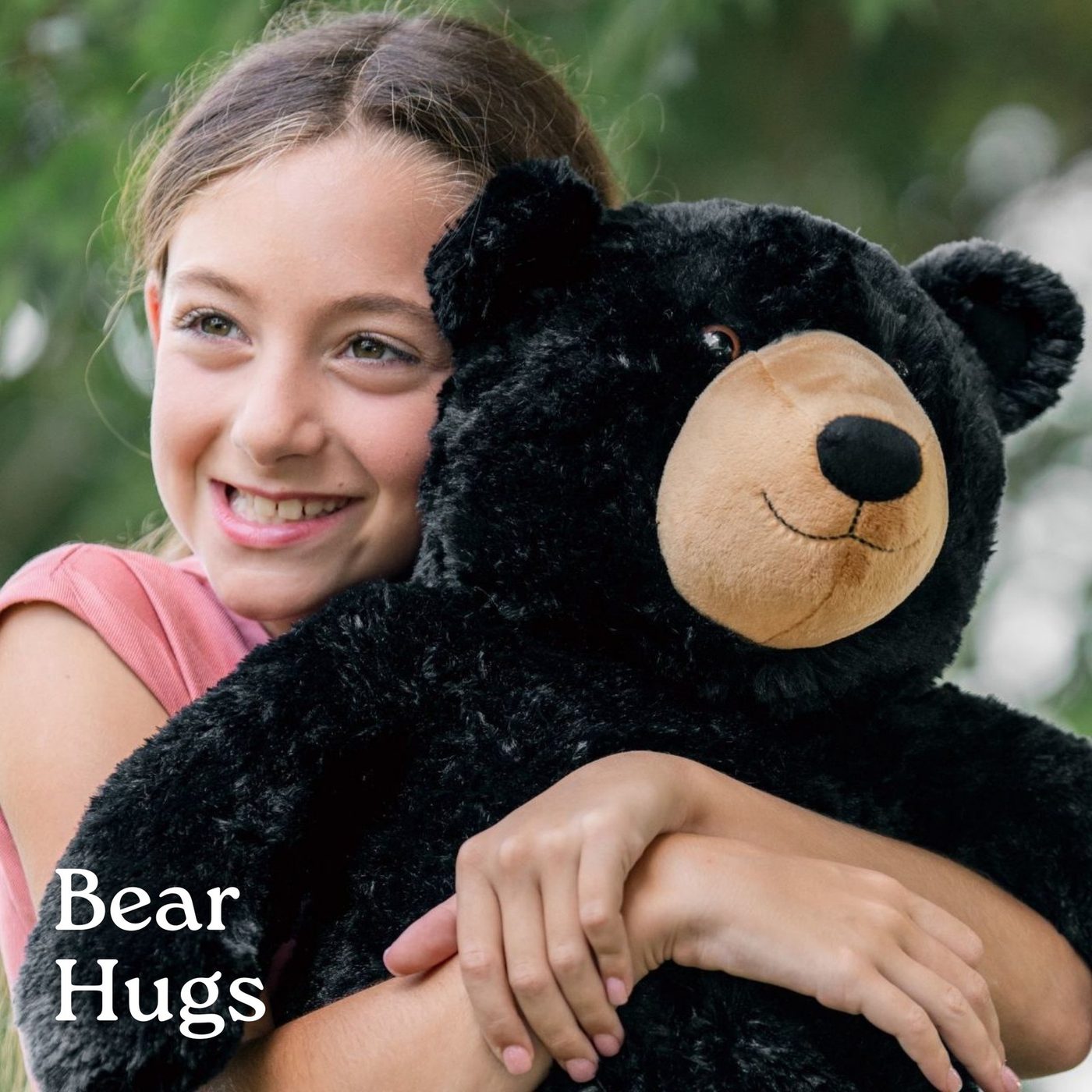
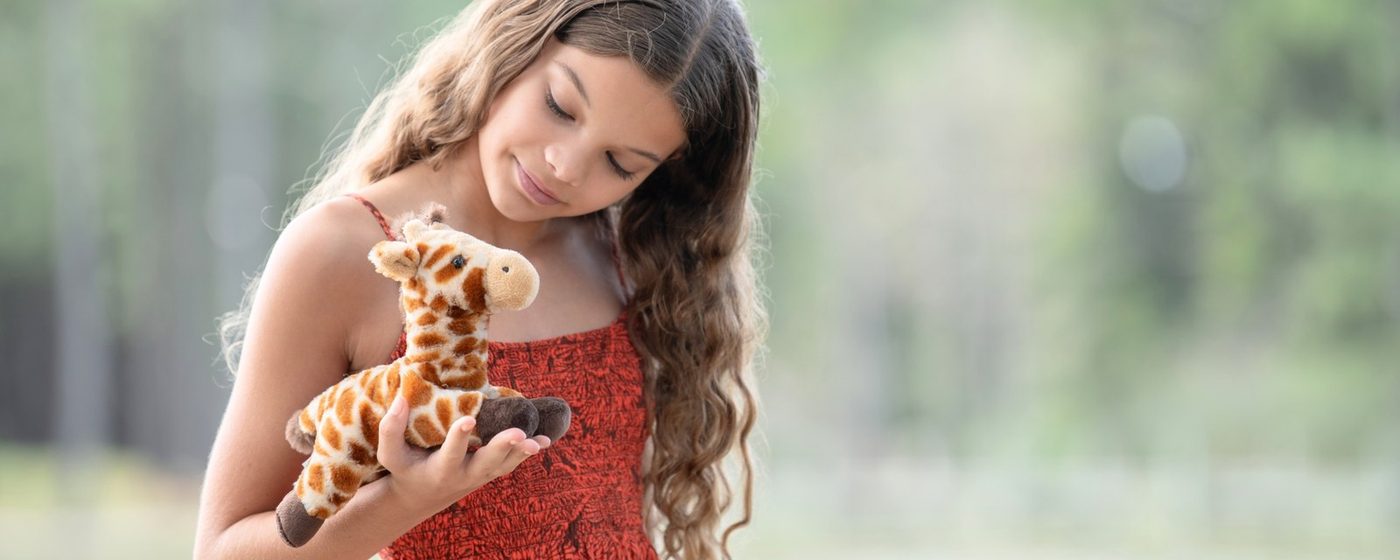
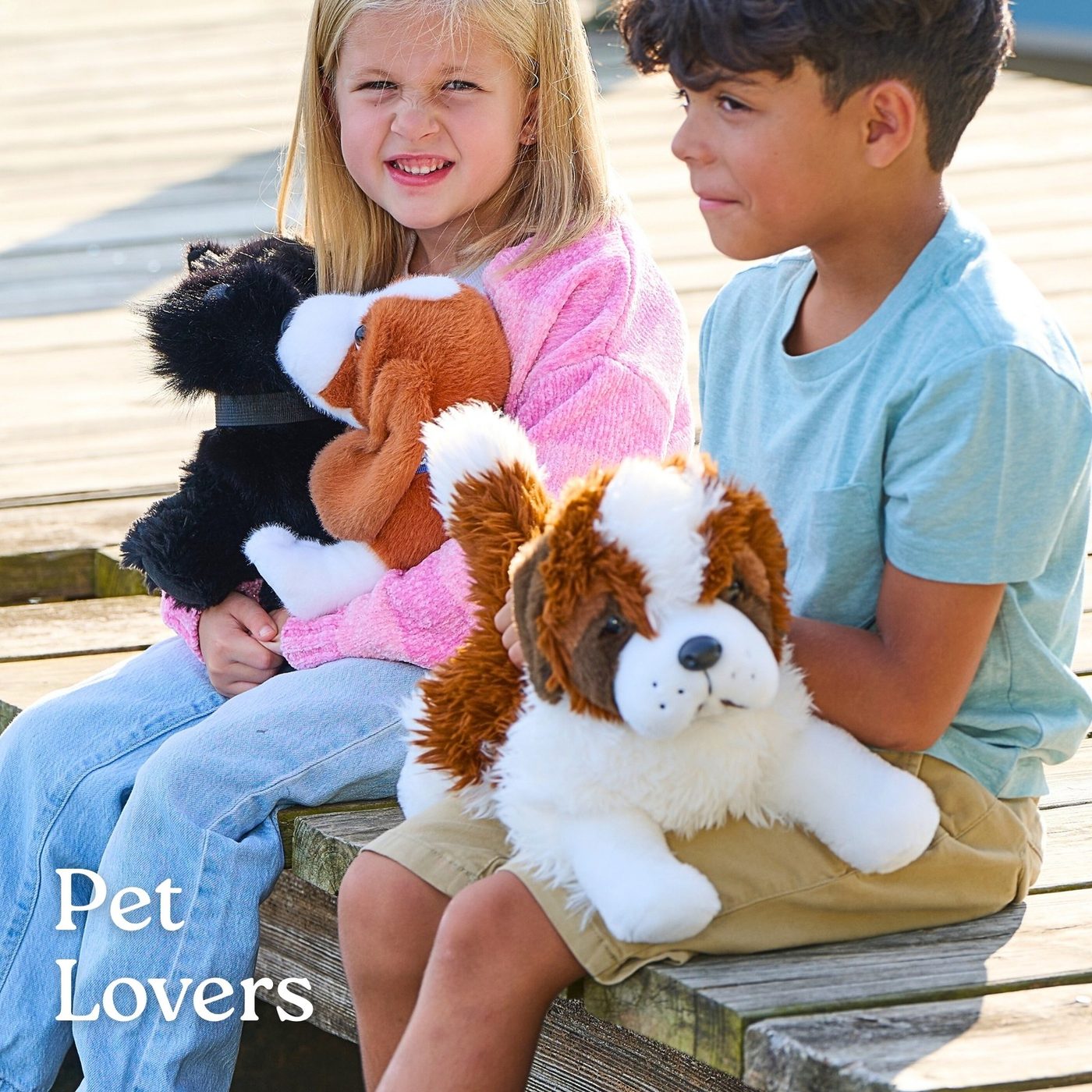
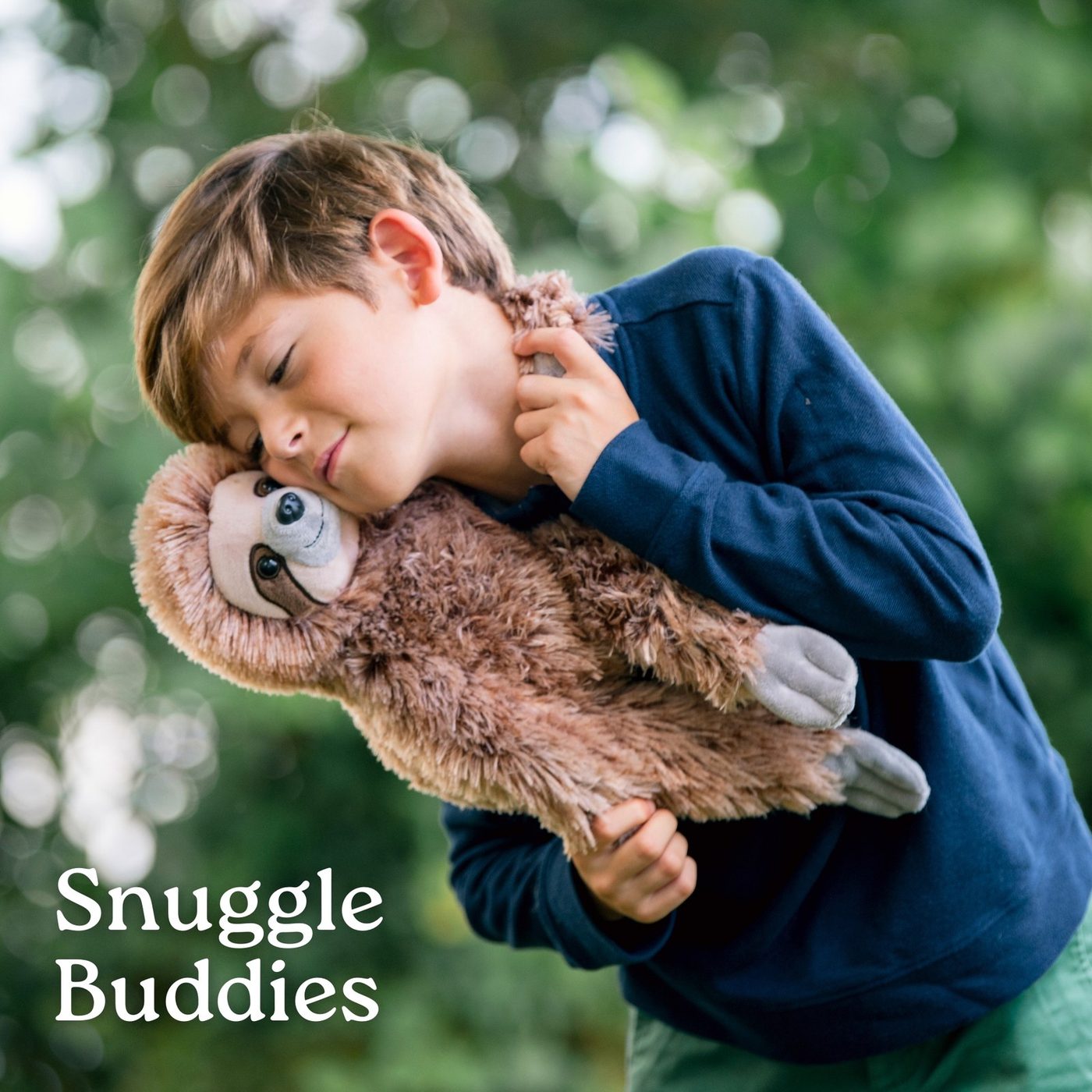
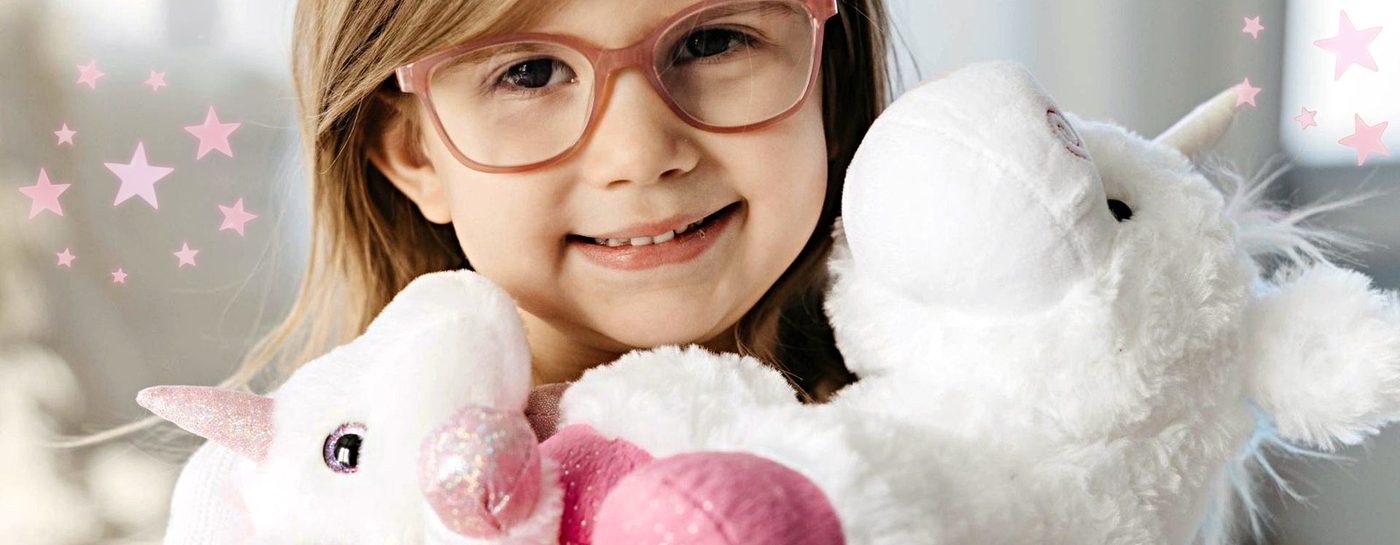
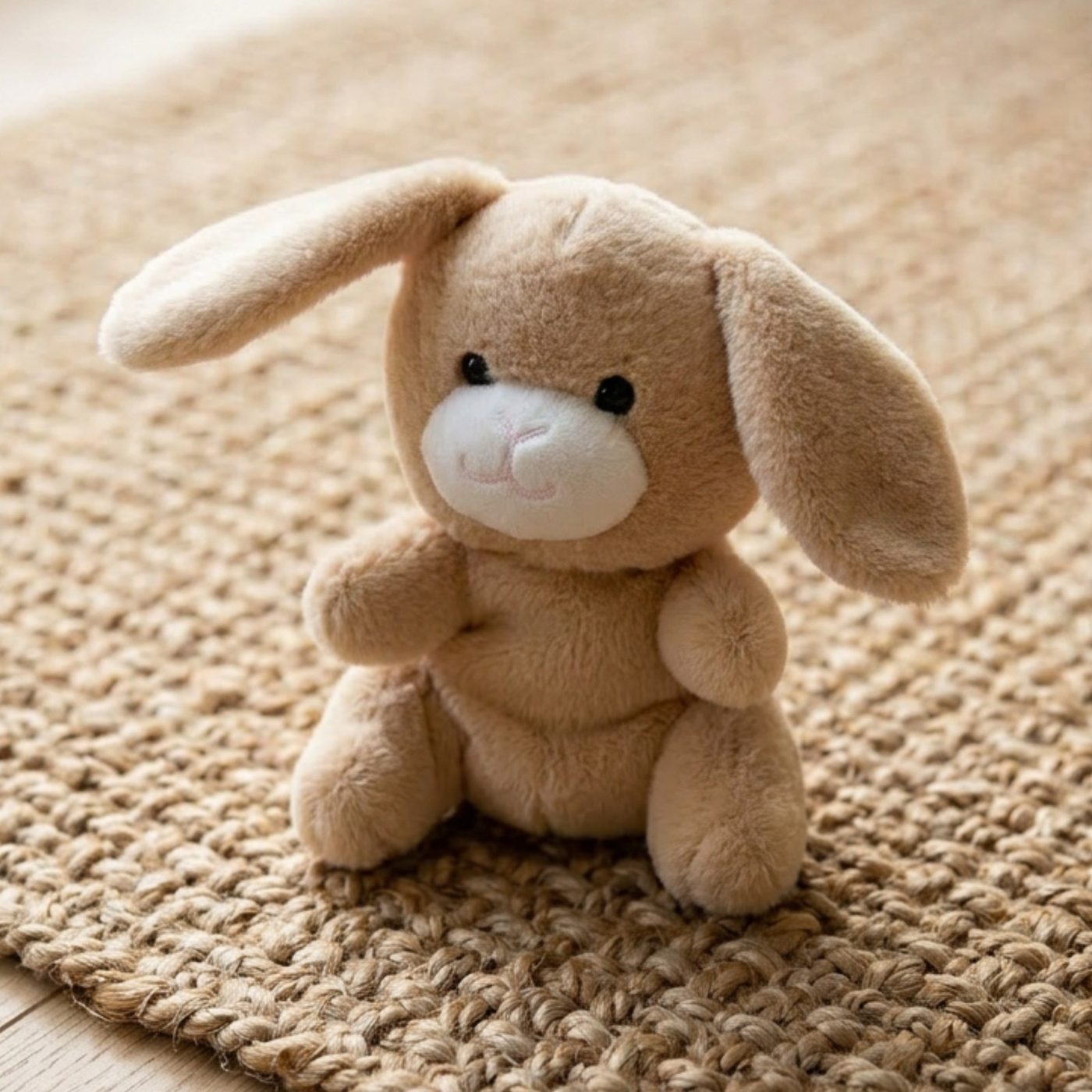
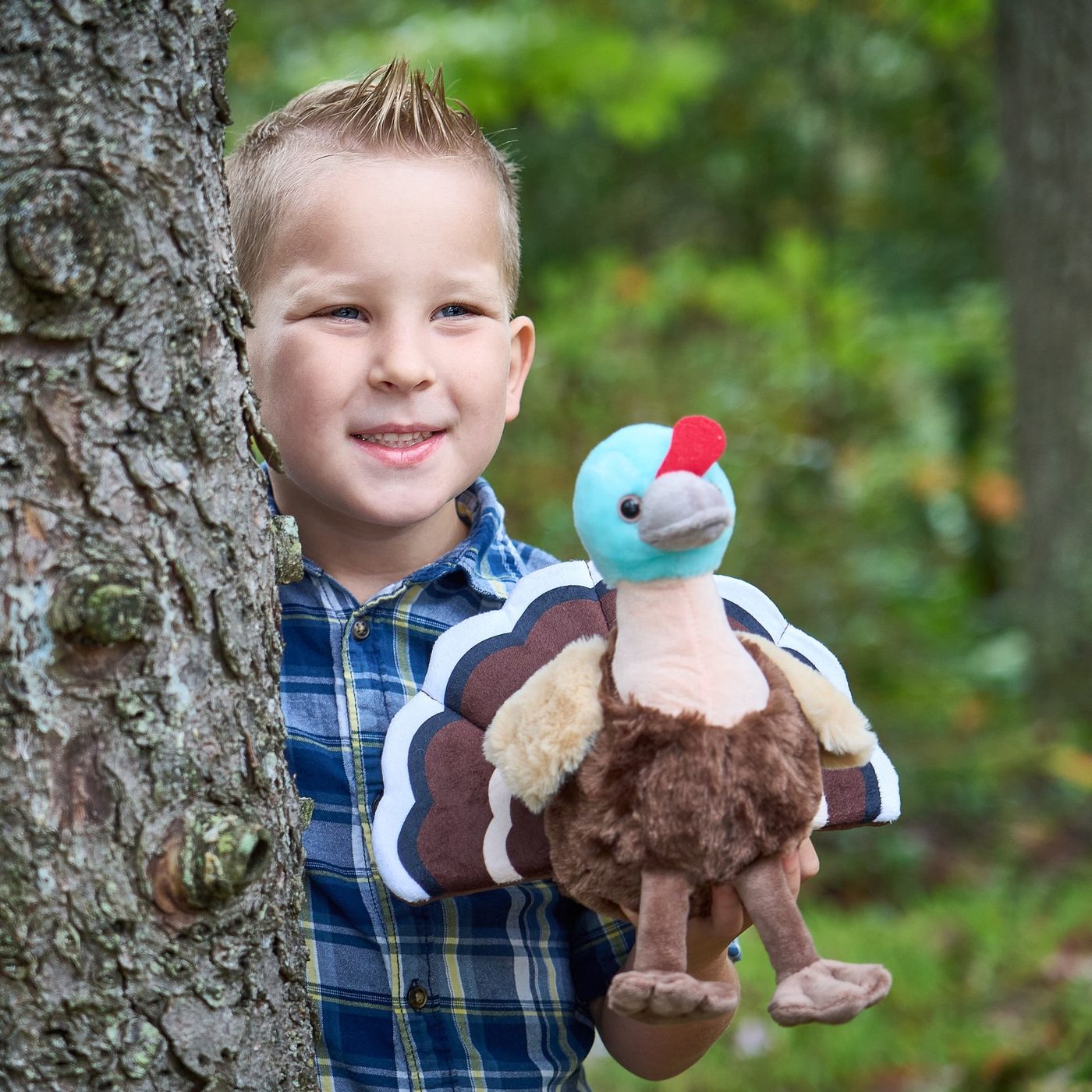
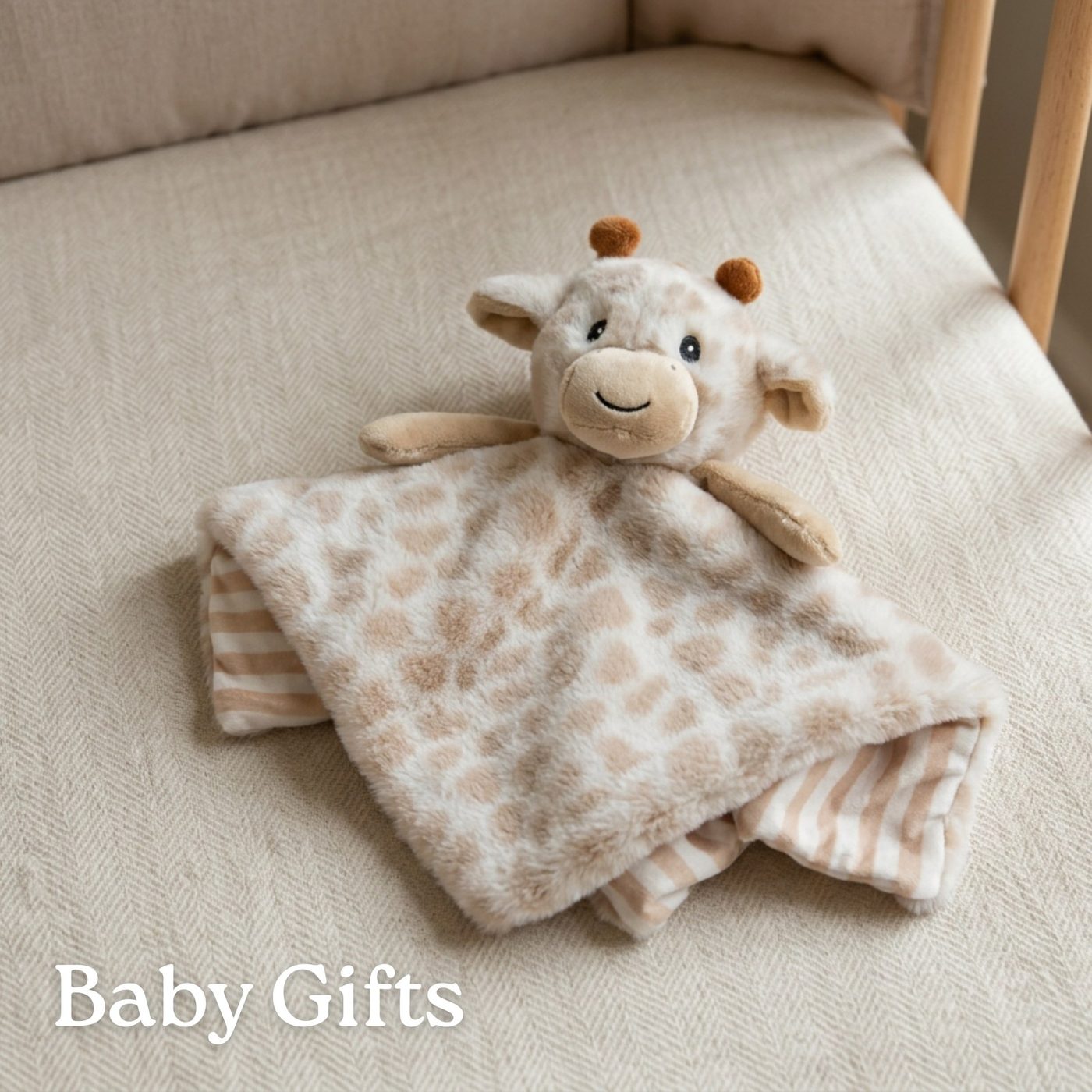
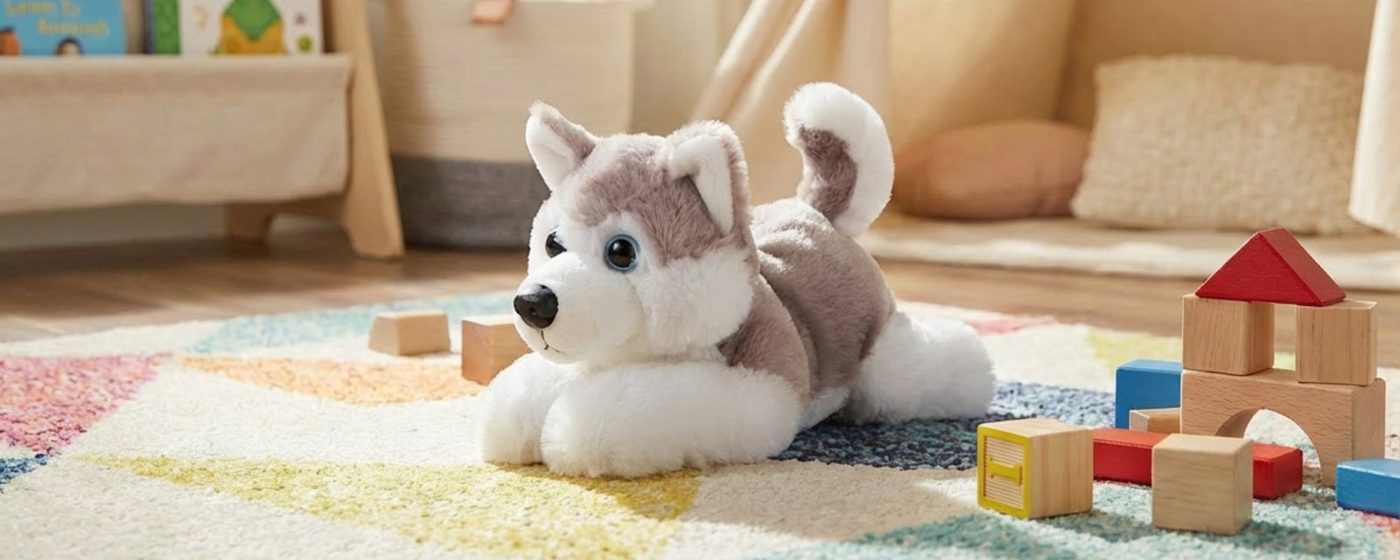
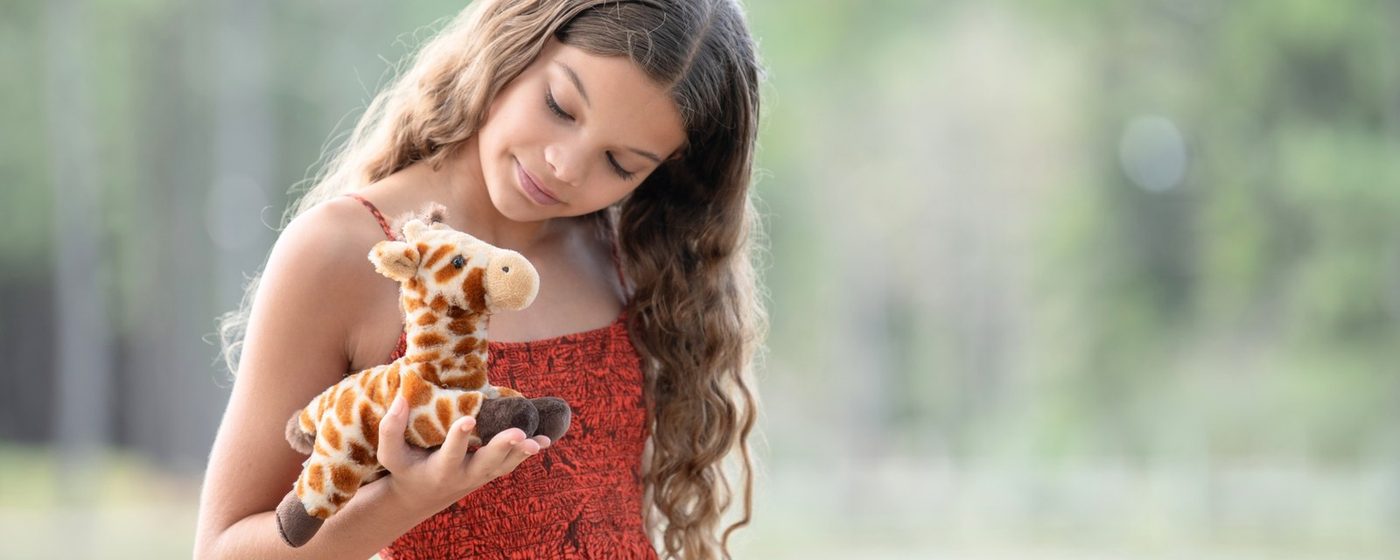
A child does not pick a stuffed animal the way a grown-up picks a gift. They pick the one that fits under an arm, the one whose face looks back, the one soft enough to survive a night of being held by the ear. That is the standard we design to, and it is why our plush toys are built around a body a small child can actually carry rather than a shelf pose. Our softest animals are the ones we rework the most — the fur is chosen by hand, the seams are set where little fingers pull hardest, and the eyes are embroidered on the animals meant for babies so nothing can be worked loose at bedtime.
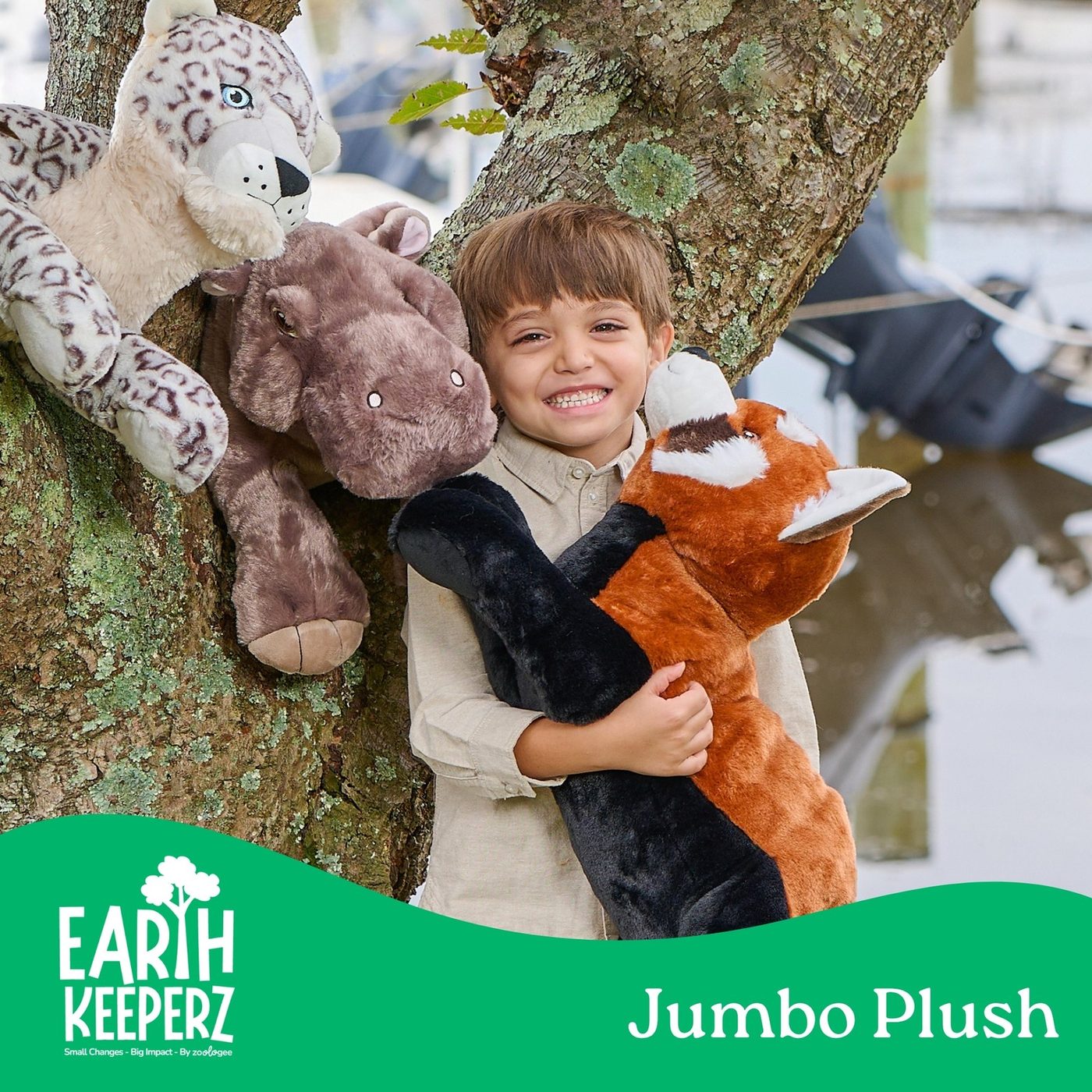
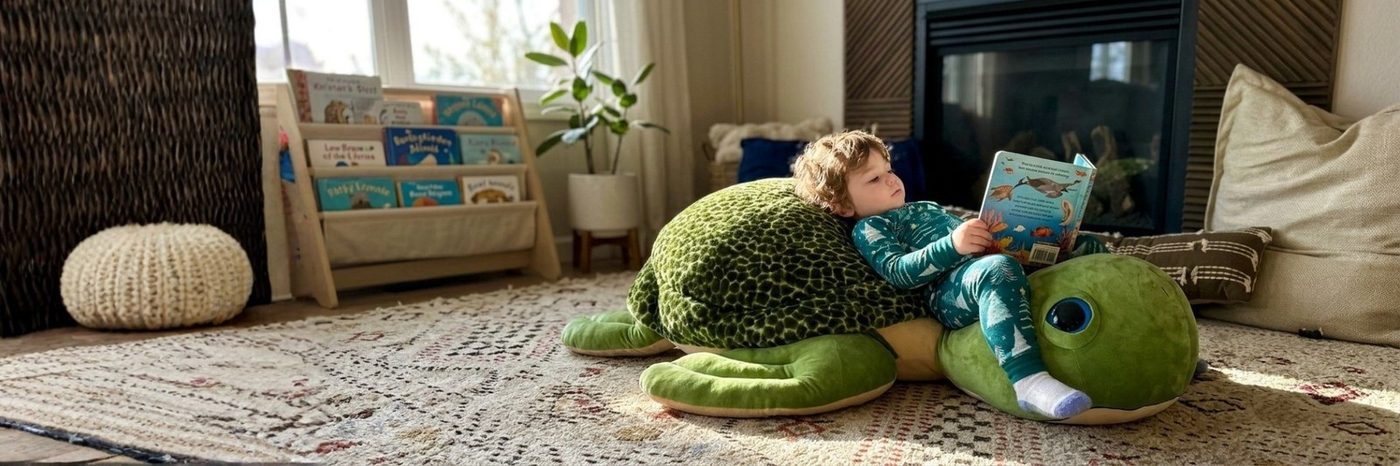
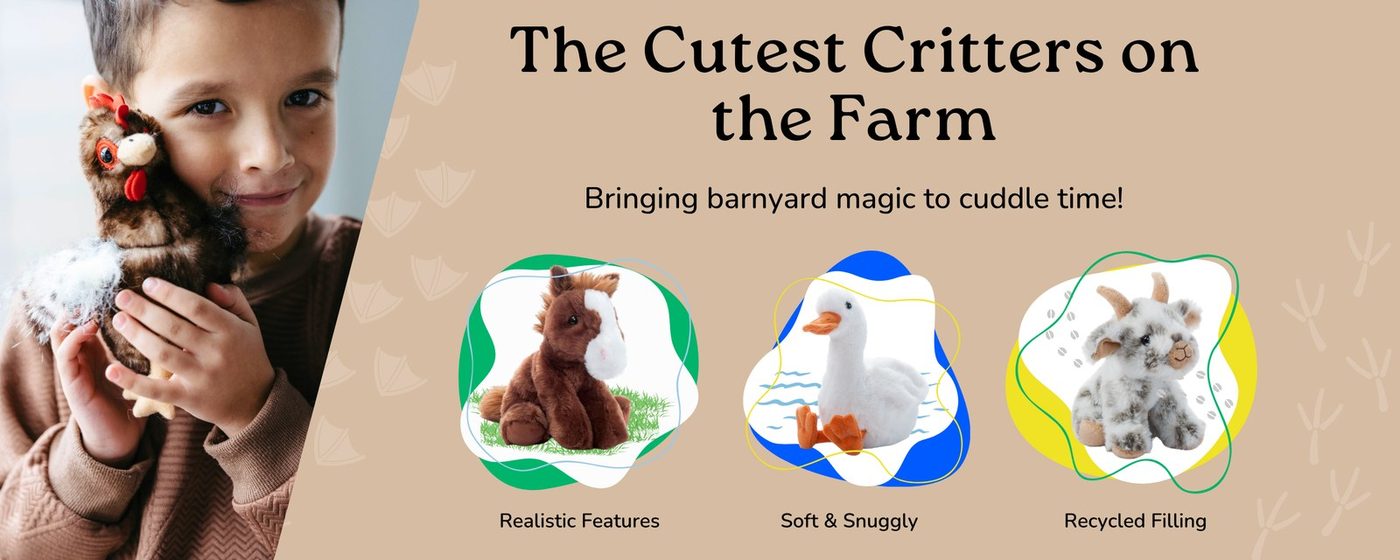
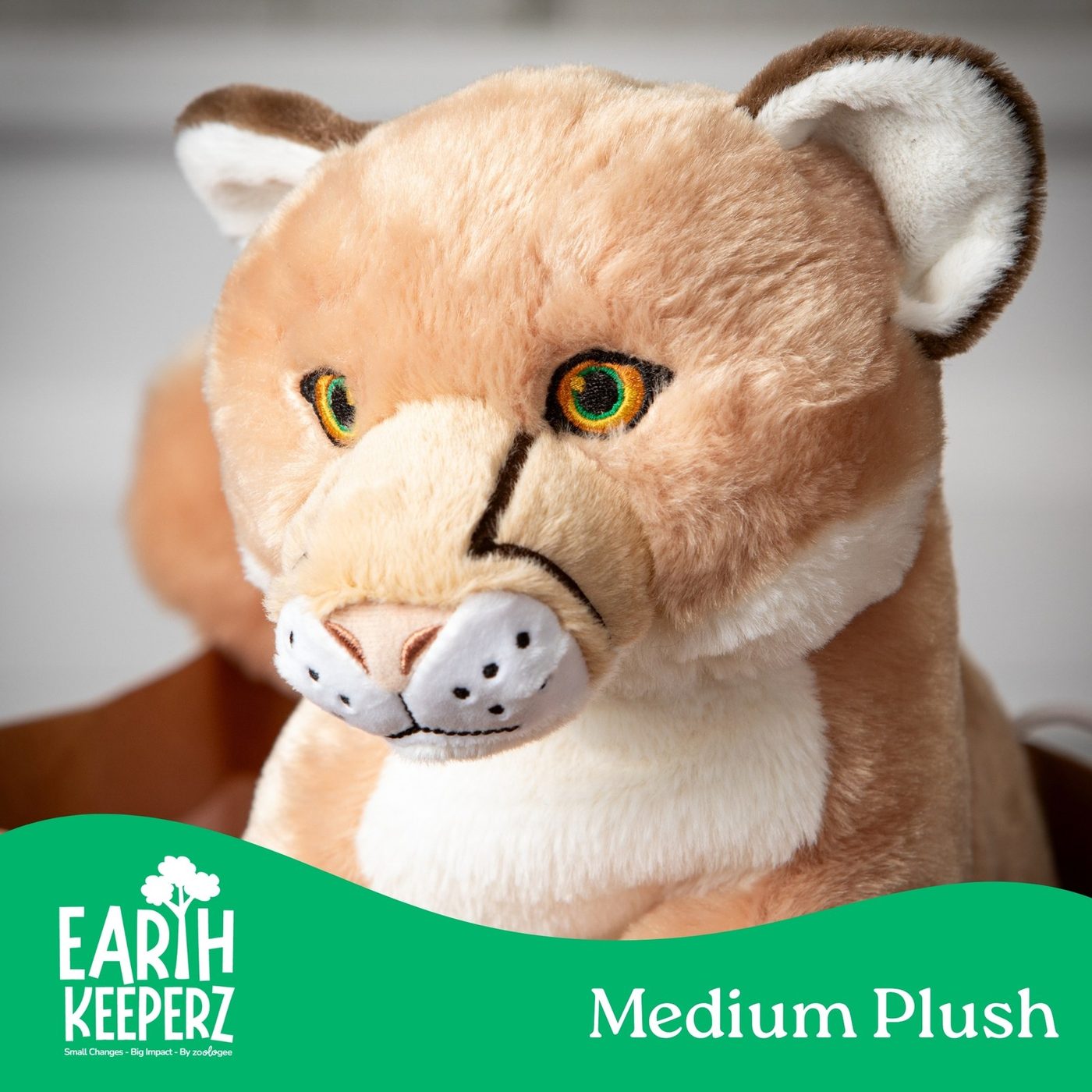
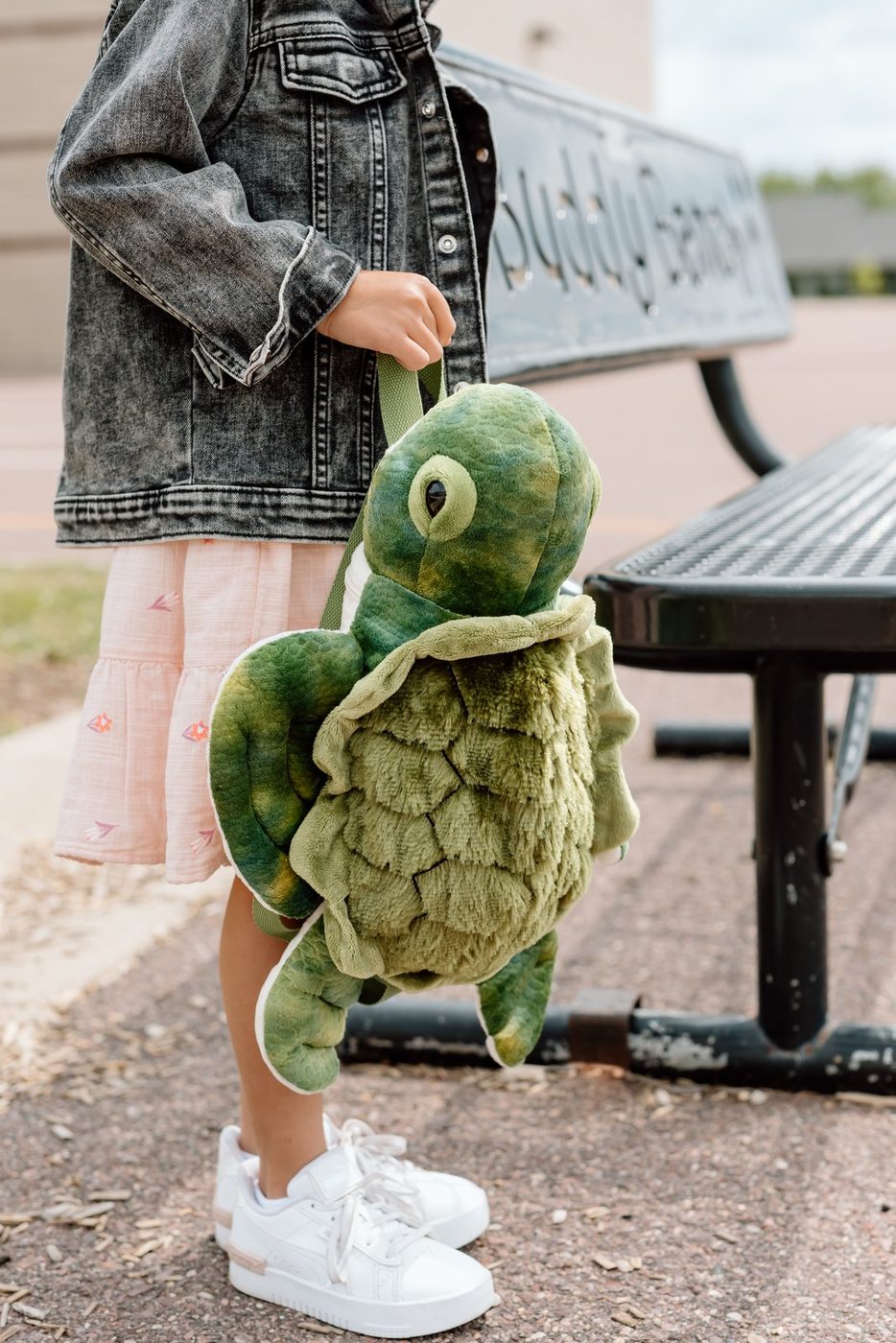
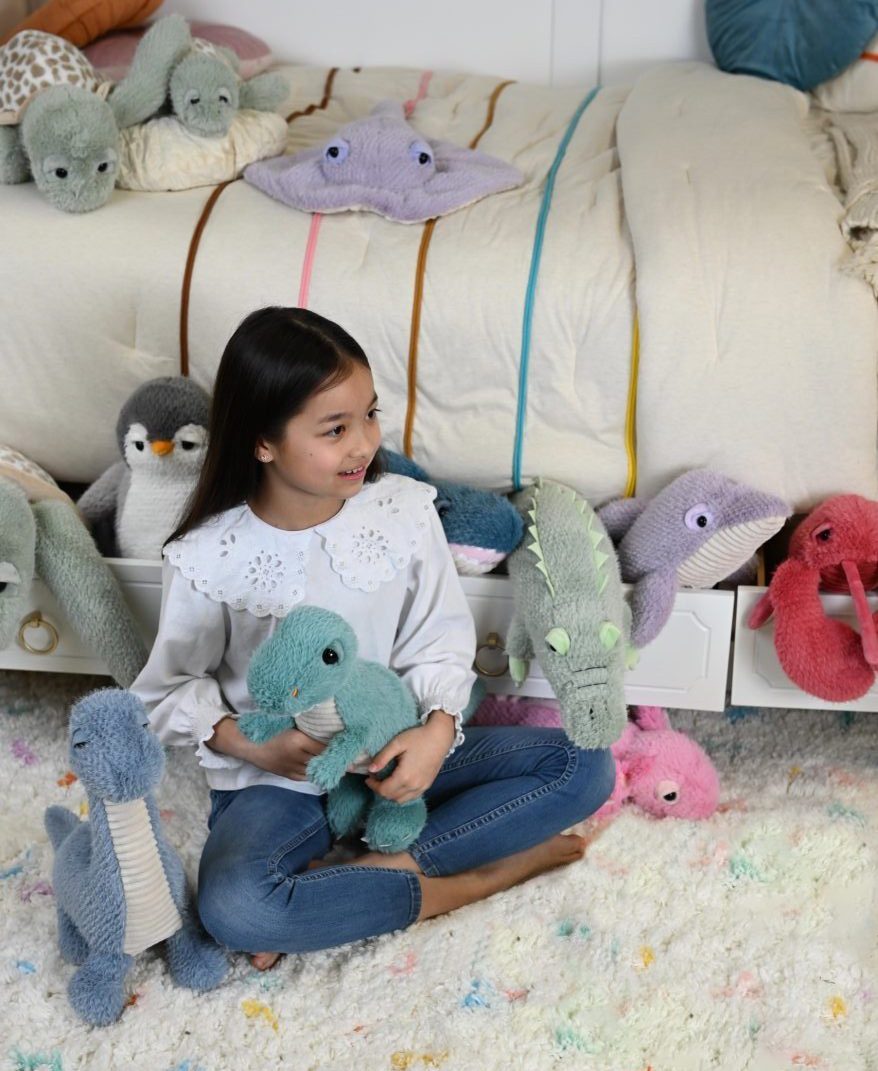
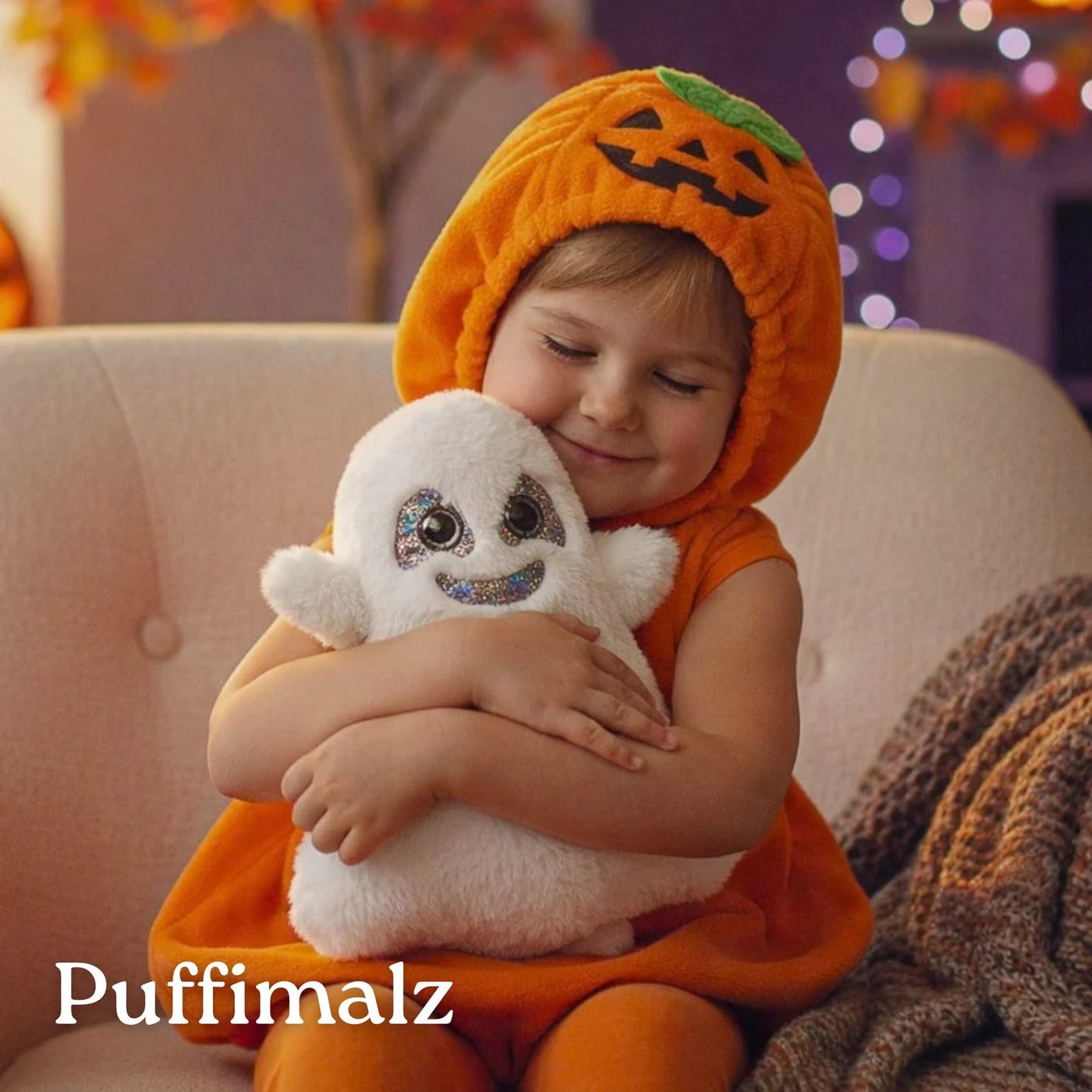
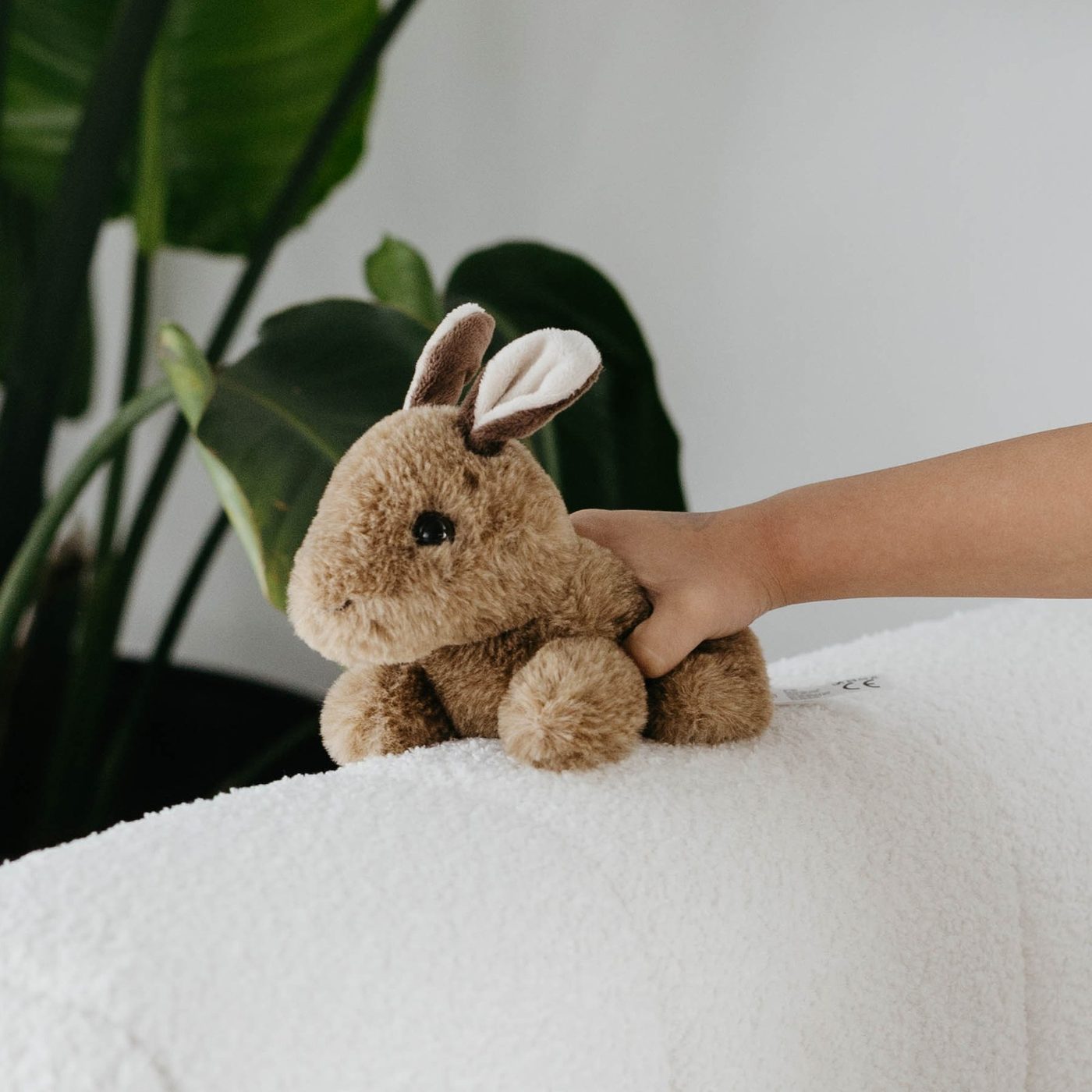
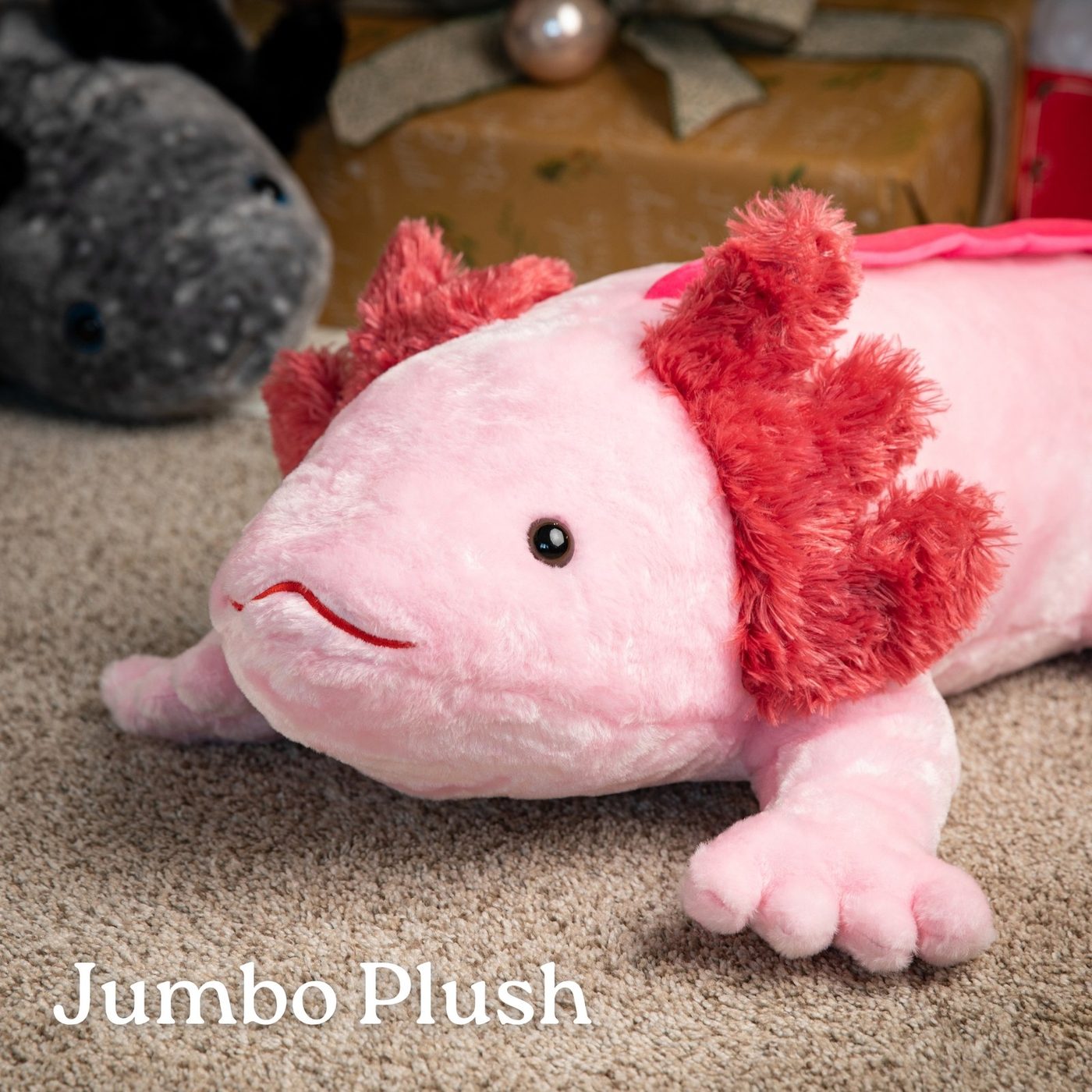
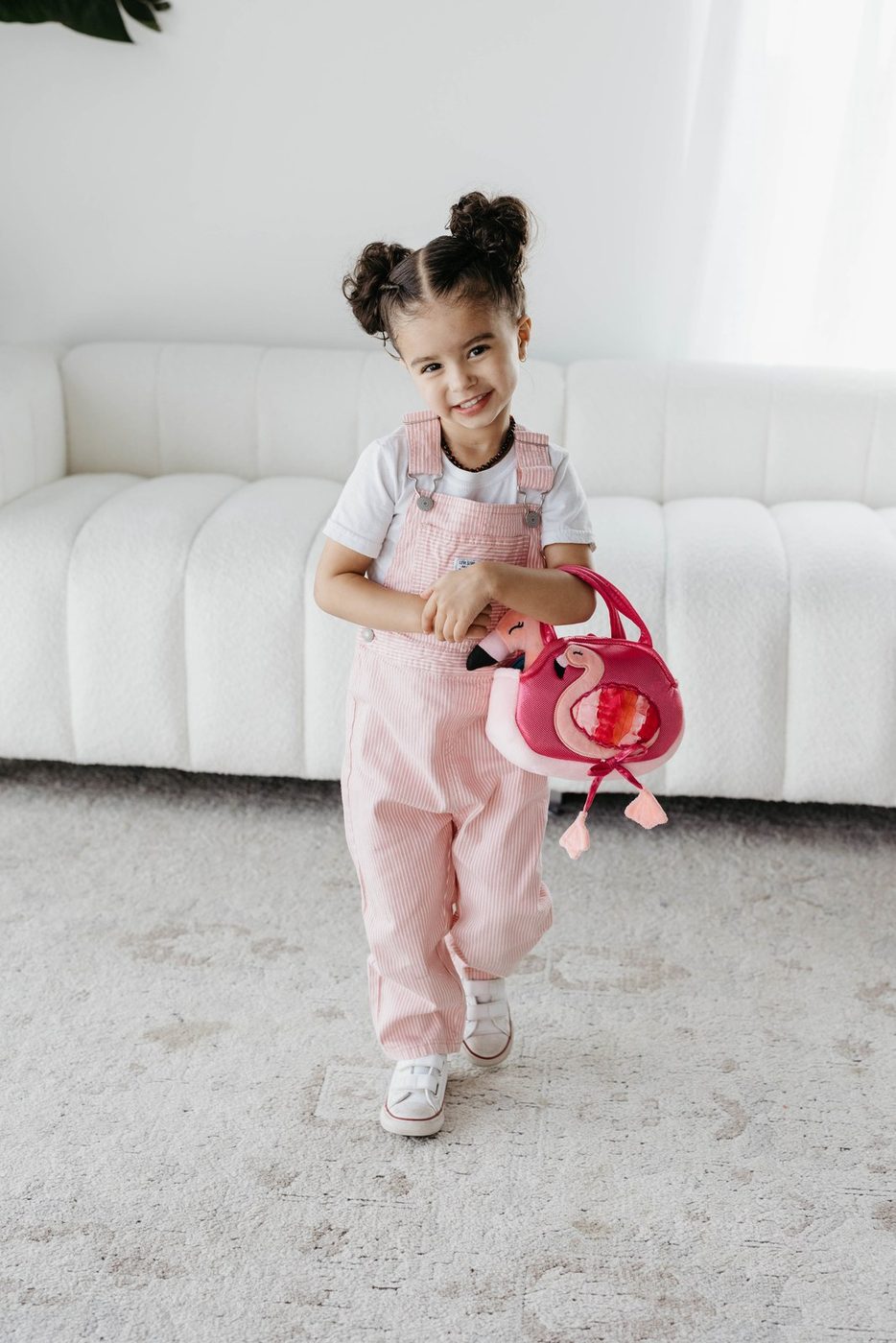
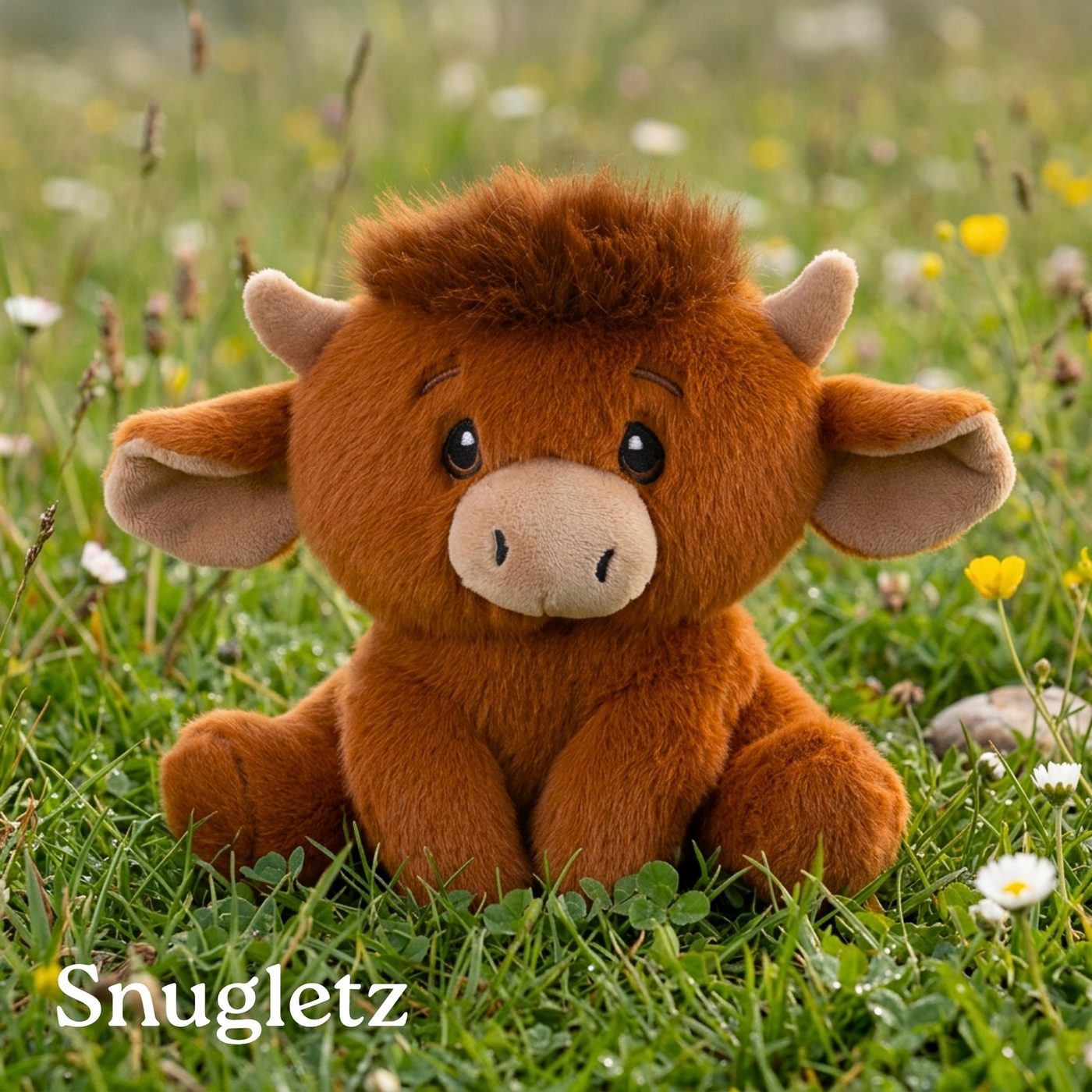
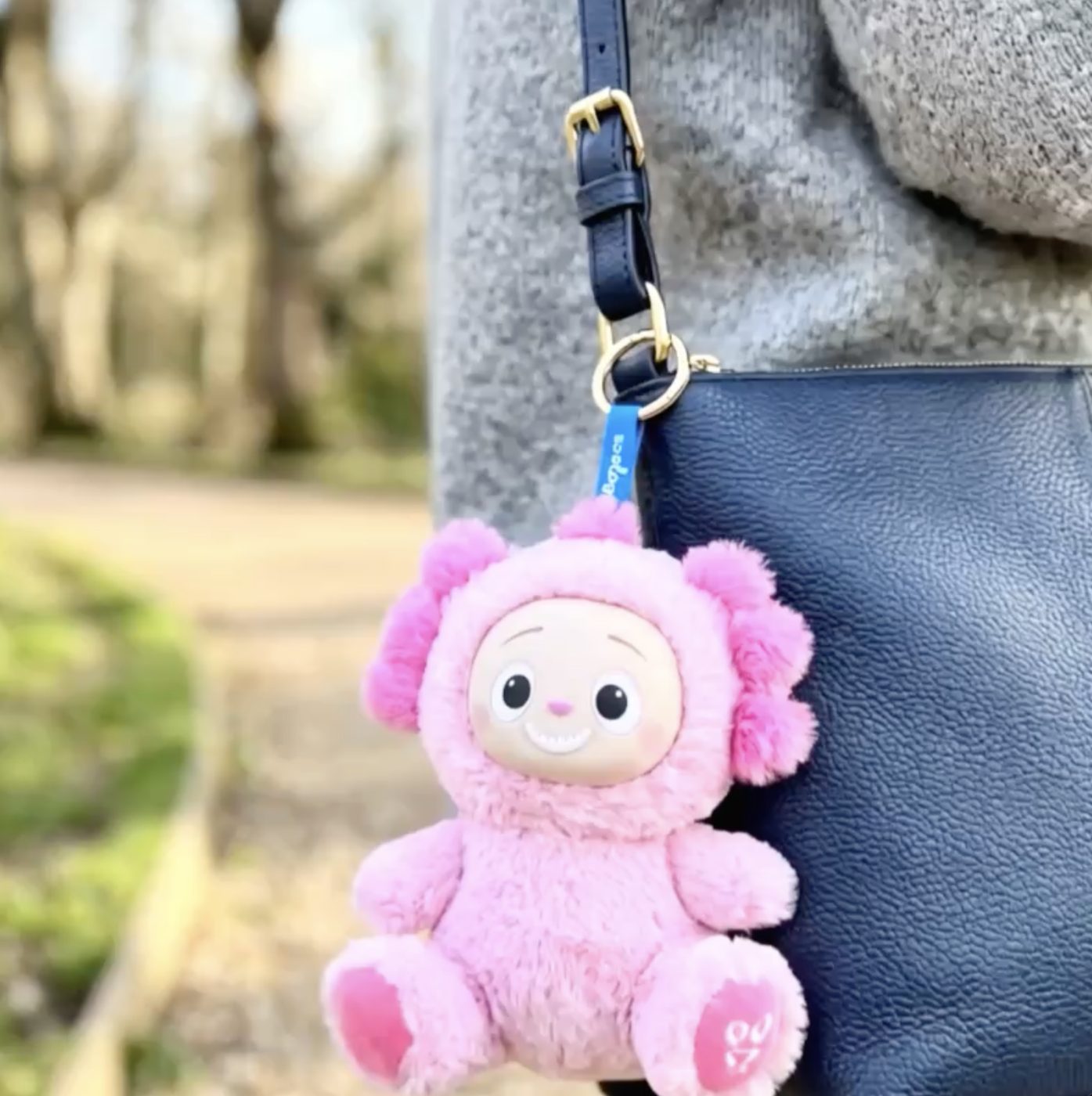
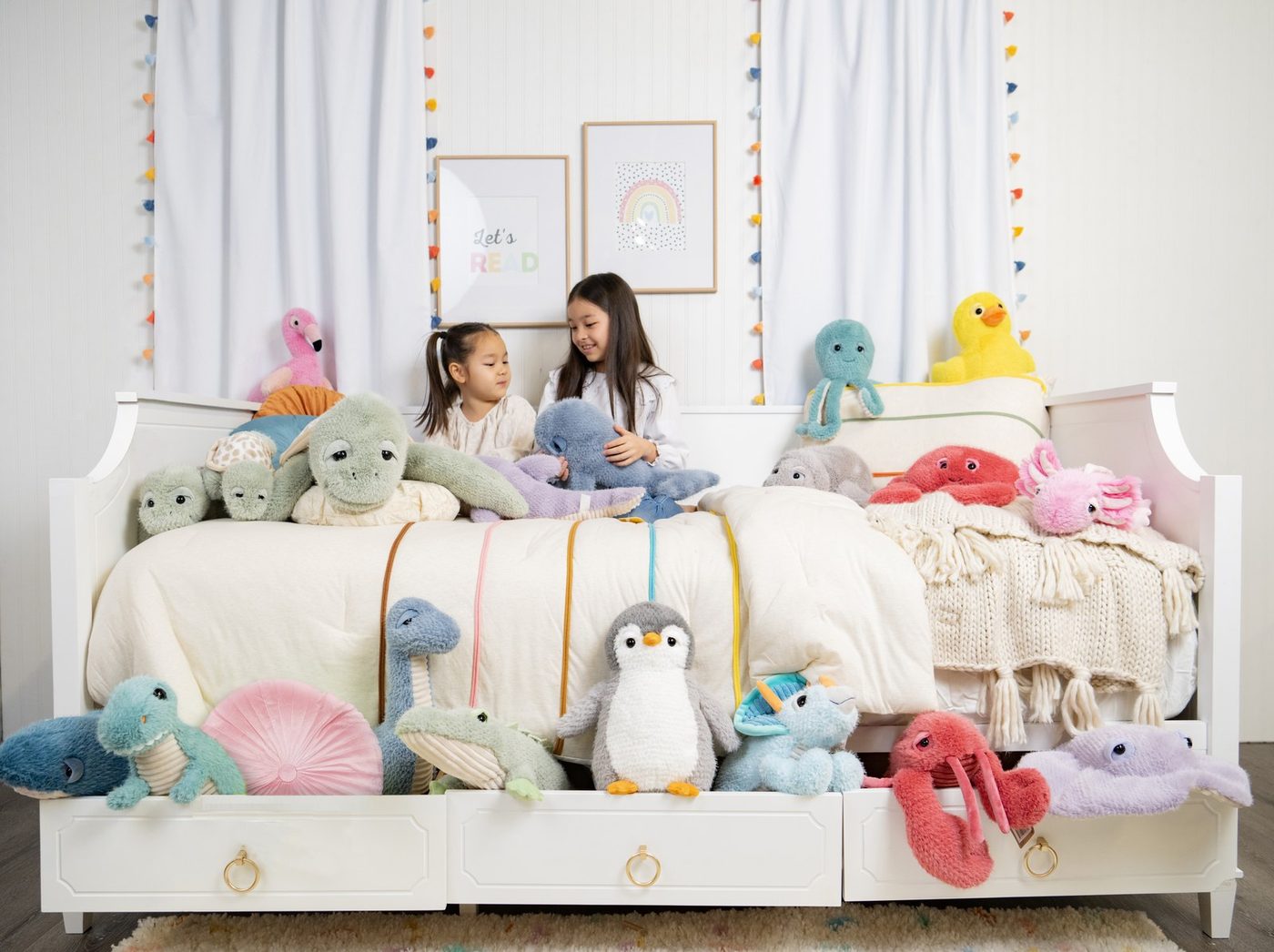
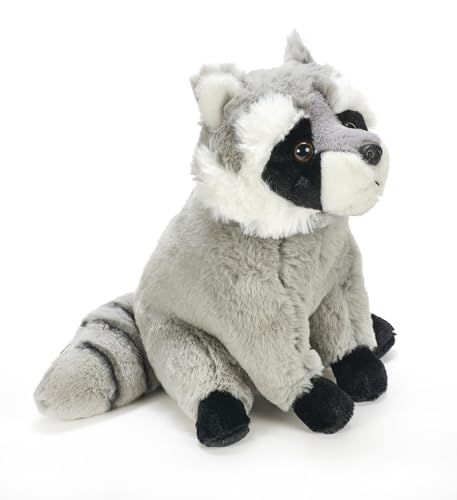
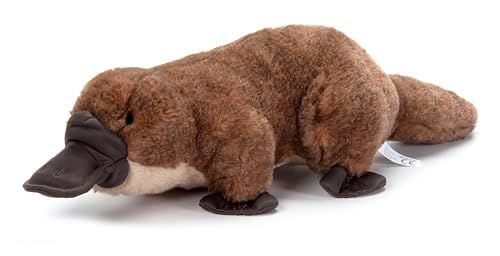
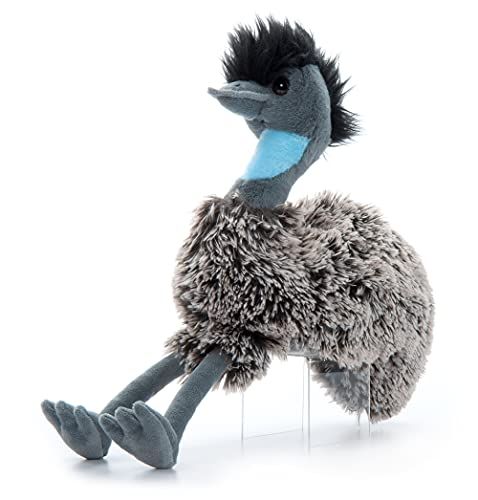
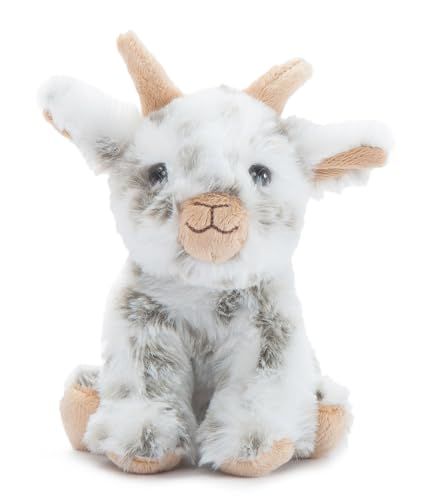
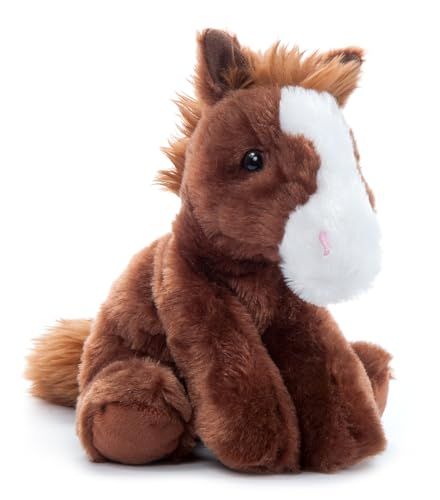
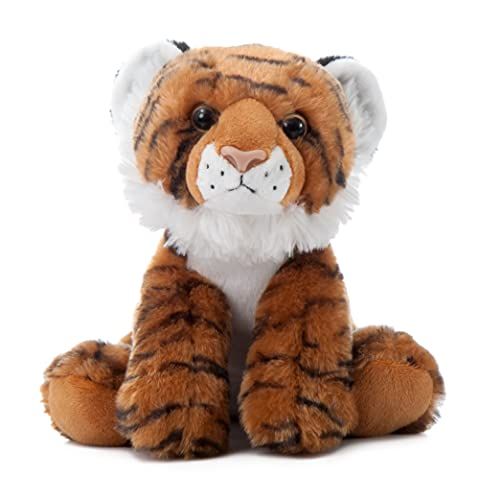
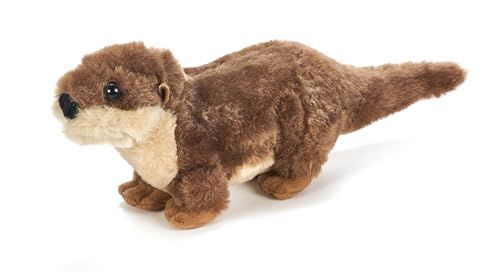
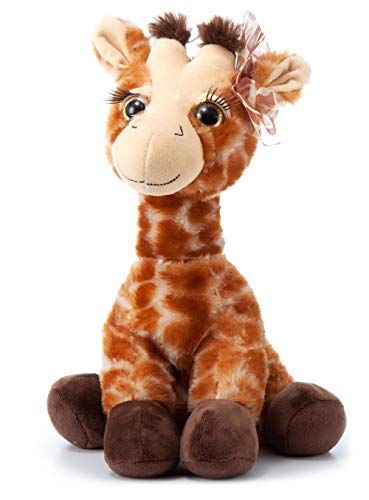
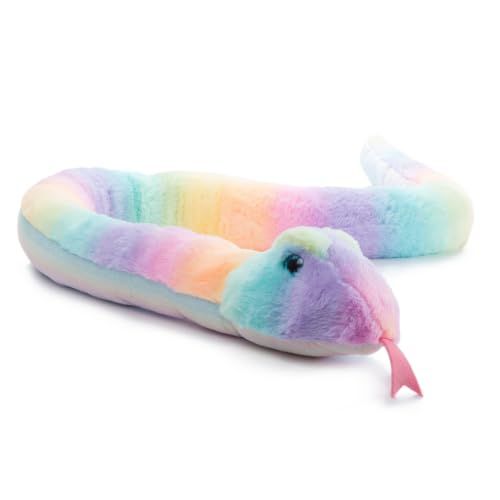
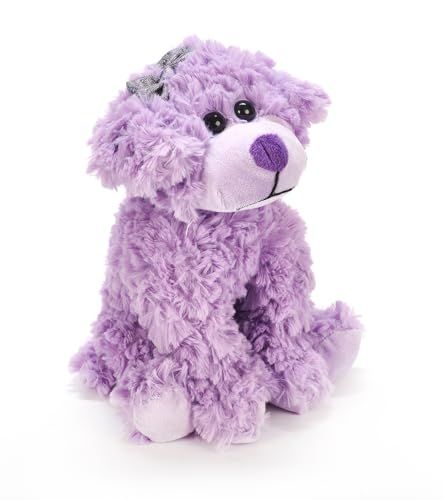
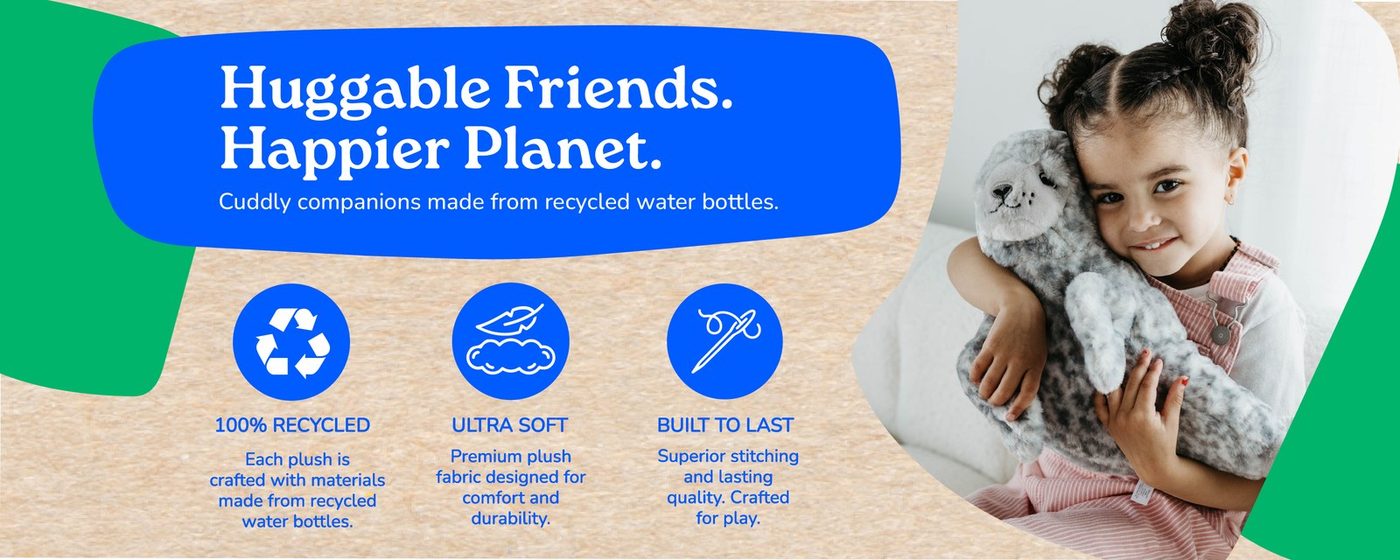
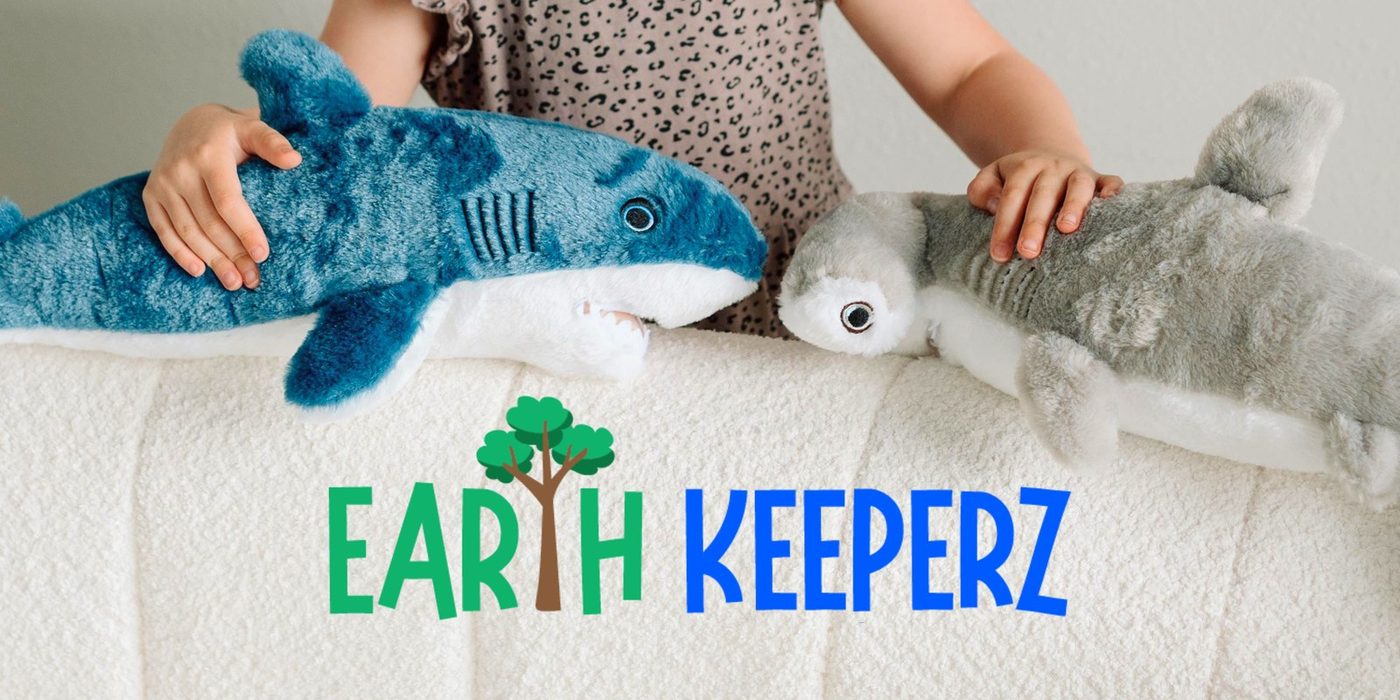
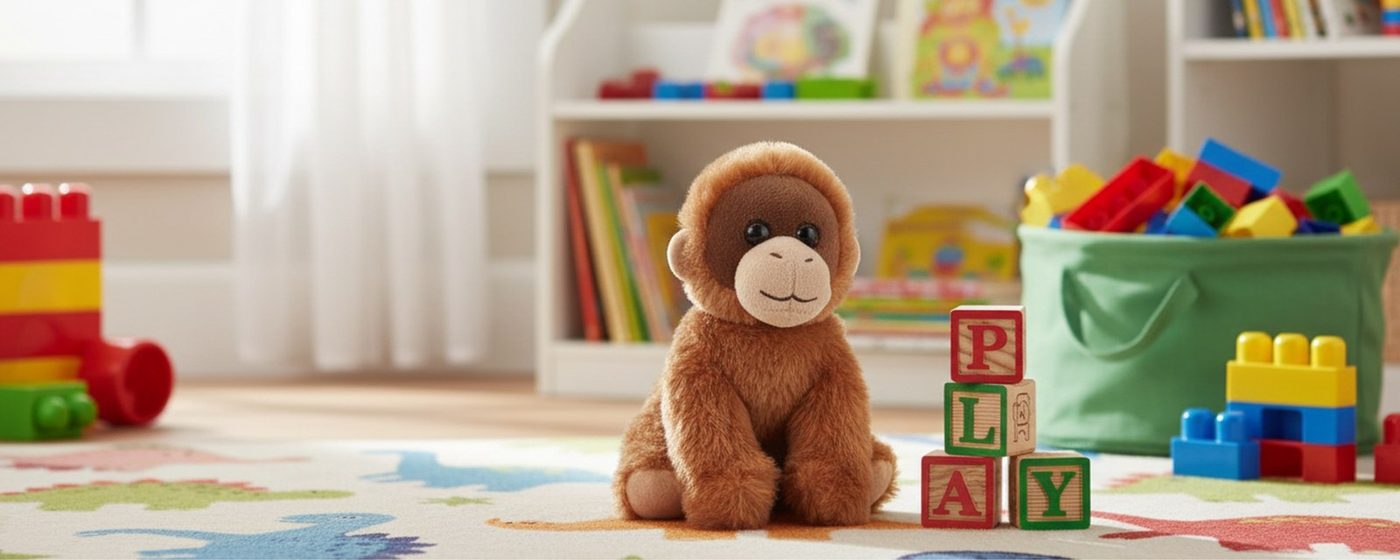
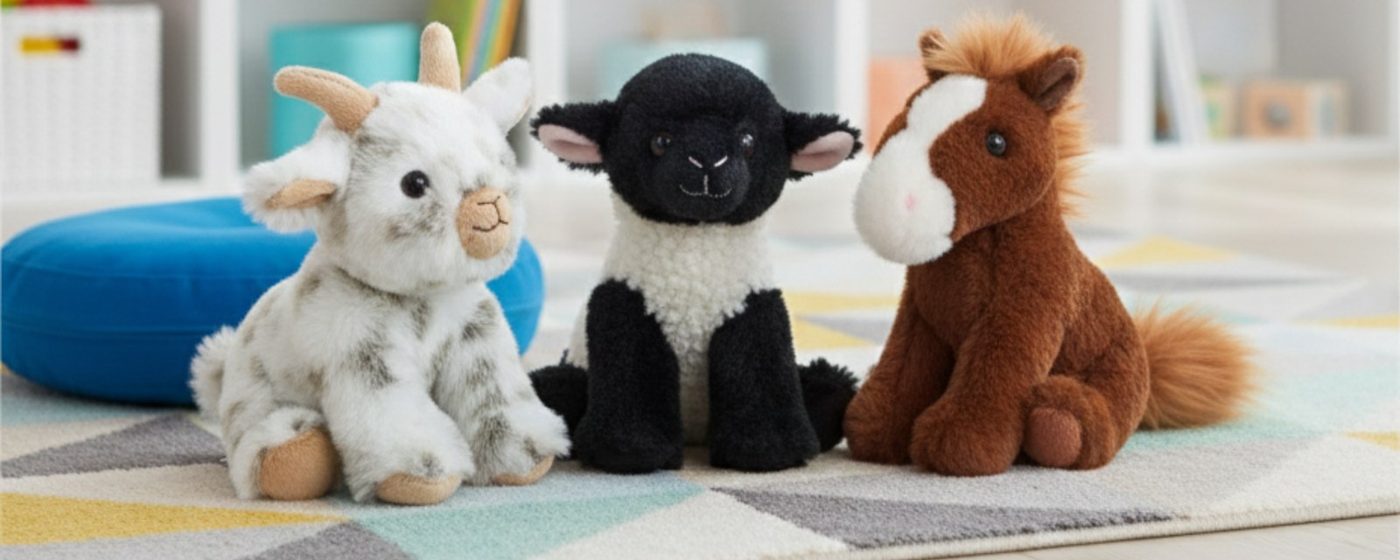
The collection runs from pocket plush toys that ride in a backpack to jumbo animals a toddler can lie against. Between them sit the lines families come back for: Puffimalz with their round, pillow-soft bodies, Wild Onez modelled on real species down to the markings, Earth Keeperz made entirely from recycled bottles, and Scoopz and Nuggetz for children who want a buddy small enough to hide in a pocket. Each line has its own feel in the hand, so a child who loves one rarely loves all of them — and that is the point.
Age matters less than habit. Babies want weight and a safe, embroidered face; toddlers want something they can drag; older children want an animal that is accurate enough to name and argue about. We mark the materials, the fill and the care instructions on every product page so parents can judge a plush toy before it arrives rather than after. Surface washing keeps most of our animals looking new for years, and the quality of the pile is the reason so many of them survive to be handed down.
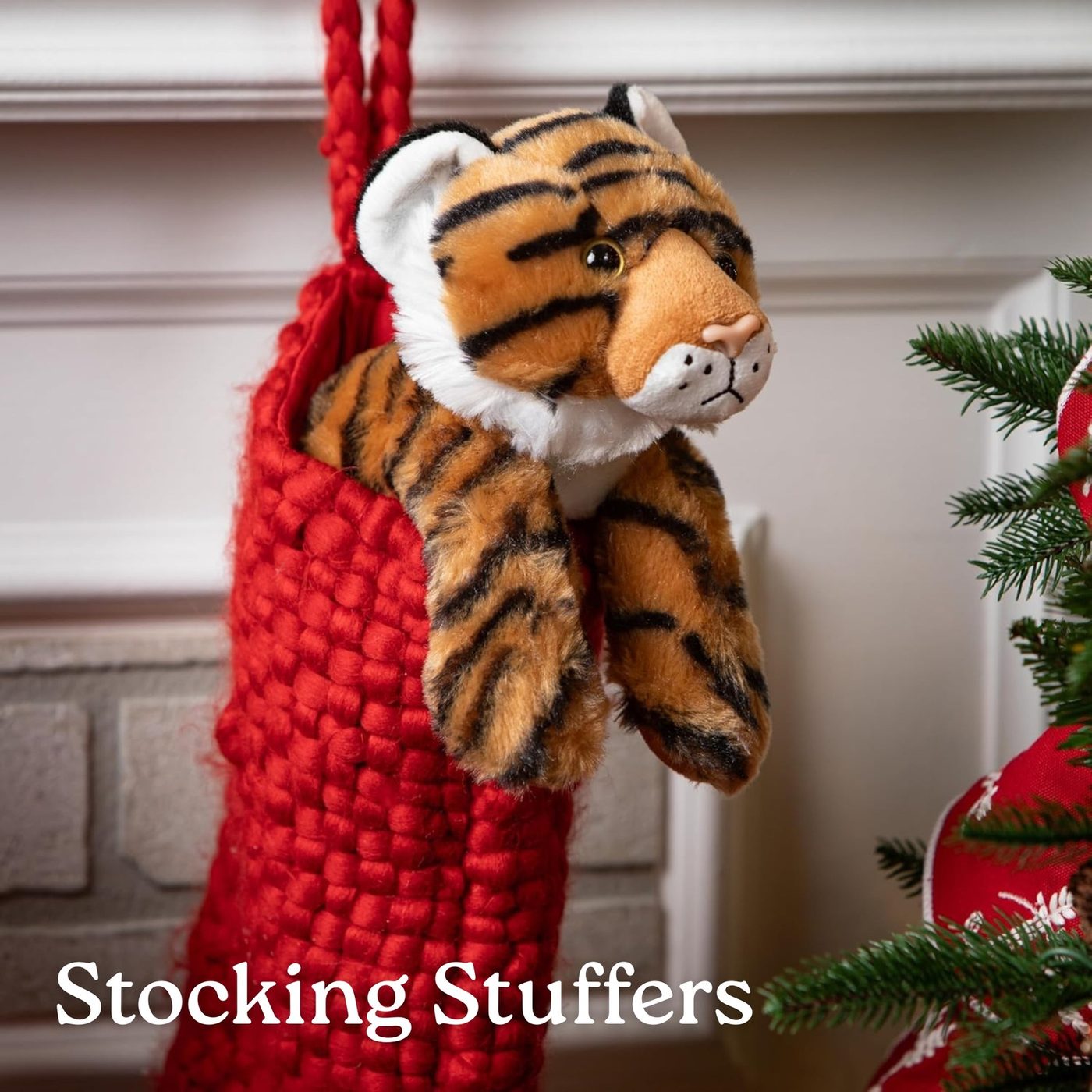
If you are shopping for a gift rather than for your own child, pick the animal the family has already met. A sea turtle from the aquarium trip, the sloth from the rainforest house, the penguin from the winter exhibit — a plush animal with a memory attached to it is the one that gets cherished. That is the whole charm of what we make: the toy is soft, but the thing a child is really holding is the day they saw the animal for real.
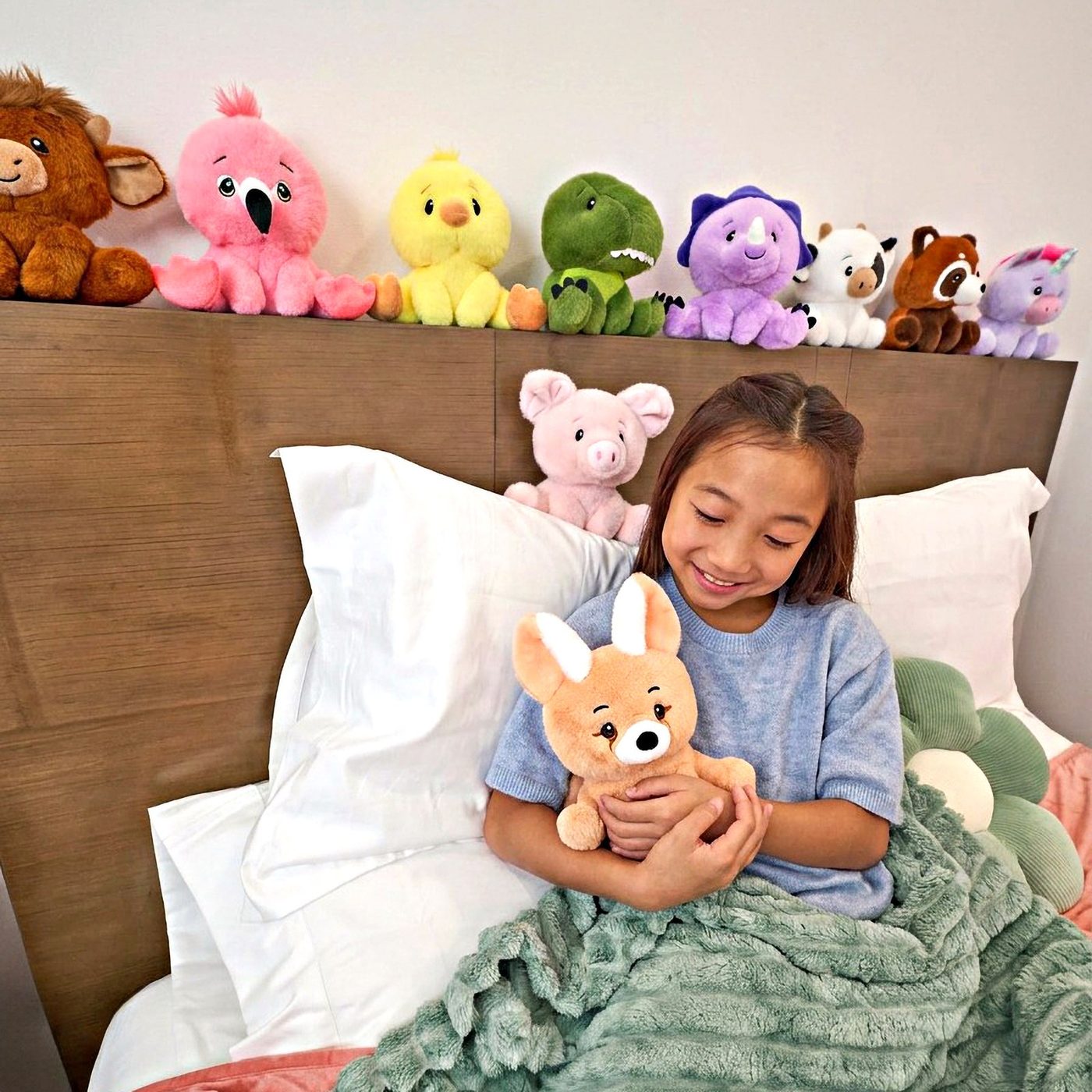
Where wonders wait to be carried home. If you are not sure where to begin, the collections page sorts our plush toys by the body shape a child actually holds, and the habitats page sorts them by where the real animal lives. Both lead to the same shelves from different directions.